
Heart disease in newborn babies can also cause death if it is not diagnosed and treated promptly. This condition of congenital heart disease usually passes unnoticed in the first few weeks or even months, so it is imperative for parents to know the signs of its occurrence in the infant. Early treatment of babies with heart disease can greatly change the prognosis for the newborn.
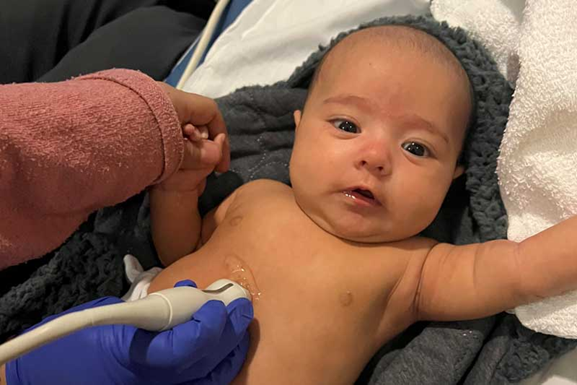
Dr. Prashant Bobhate, a highly experienced pediatric cardiologist in Mumbai, emphasizes that timely detection and treatment can significantly improve a neonate’s quality of life. “Neonatal heart disease is a major cause of morbidity, but early diagnosis and effective management can reduce long-term complications,” says Dr. Bobhate, who specializes in pediatric cardiology in Mumbai.
What Is Neonatal Heart Disease?
Congenital heart disease in the newborn refers to abnormalities in relation to the structure and function of the heart, which are present at birth.” This abnormality is also present in the heart, which was present at birth, and could include but not be limited to, the heart tissues, valves, and blood vessels. As stated above, congenital abnormalities, which include heart defects, could lead to severe complications if not identified early, which could lead to complications related to the blood reaching different parts of the body, including giving oxygenation. Examples of heart disease could include atrial septal defects, ventricular septal defects, and patent ductus arteriosus.
Early Signs and Symptoms of Heart Disease in Neonates
Recognizing the early signs of heart disease in neonates can be challenging, as many symptoms are subtle. However, some key indicators include:
Bluish skin (cyanosis):
The skin may appear blue, especially around the lips or nails, indicating low oxygen levels in the blood.
Rapid breathing or difficulty breathing
Labored or rapid breathing may occur due to the heart’s inability to pump enough oxygenated blood to the lungs.
Poor feeding
Babies with heart disease may tire easily while feeding or struggle to gain weight.
Swelling
Edema, or swelling in the legs, abdomen, or face, may be seen in severe cases.
Irritability and fatigue
Persistent irritability, lethargy, and excessive tiredness could indicate heart strain.
Risk Factors for Heart Disease in Neonates
Certain factors increase the likelihood of a newborn developing heart disease, such as:
Family history of heart defects
Premature birth
Maternal conditions such as diabetes, high blood pressure, or infections during pregnancy
Chromosomal abnormalities like Down syndrome or Turner syndrome
Environmental factors like exposure to drugs, alcohol, or smoking during pregnancy
How Pediatric Cardiologists Diagnose Heart Disease in Neonates
Diagnosing heart disease in neonates requires a detailed evaluation, including:

Physical examination
A pediatric cardiologist listens for abnormal heart sounds or murmurs.
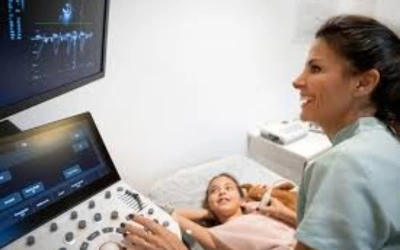
Echocardiogram (Echo)
An ultrasound of the heart helps visualize any abnormalities in heart structure or function.
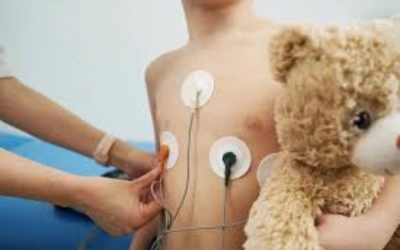
Electrocardiogram (ECG)
Records electrical activity in the heart to detect arrhythmias or other issues.

Chest X-ray
Assesses the size and shape of the heart and lungs, helping identify fluid buildup or heart enlargement.
Treatment Options for Neonatal Heart Disease
Depending on the type of cardiovascular problem, treatment may be one of the following: Treatments for different types of cardiovascular disease include different
Medications
Surgical procedure
There could be a need for surgery to repair the anatomical defects of the heart.
Catheterization
Continuous observation
Prognosis and Long-Term Outcome in Infants Born with Heart Disease
The long-term prospects for infants with congenital heart disease are highly dependent on the level of heart disease present and the timing of the treatment for said disease. With early detection and treatment, many infants will lead a healthy,. However, for many infants, regular medical assistance, including possible surgeries, will be required.
Conclusion
It is important to identify the symptoms of heart disease within the newborns to ensure proper treatment on time. Although it may not be easy for the parents to notice the symptoms, collaboration with a pediatric cardiologist can greatly help them. Dr. Prashant Bobhate will help them with expert care for heart disease symptoms within the newborns, providing them with the best treatment necessary to ensure a healthy life.
If you suspect your baby may have heart disease, don’t wait. Contact Dr. Prashant Bobhate today for expert care and guidance.
FAQs
What are the first signs of heart disease in neonates?
The first signs may include cyanosis, rapid or labored breathing, poor feeding, and swelling in the limbs or abdomen.
How is heart disease diagnosed in infants?
Diagnosis is made using physical examinations, echocardiograms, ECGs, and chest X-rays.
Can neonatal heart disease be treated?
Yes, most kinds of heart problems within the newborn can be treated by medication, surgical correction, or catheterization.
Is the prognosis for neonates with heart disease always poor?
Not necessarily. With early diagnosis and timely intervention, many babies recover well and lead healthy lives.
How frequently is a baby with heart disease supposed to be monitored?
Newborn babies who have problems with heart disease need to visit the pediatric cardiologist regularly to monitor their conditions.