
Comprehensive Interventional Treatment for Pulmonary Hypertension in Mumbai
nterventional treatment for pulmonary hypertension uses carefully planned procedures, done either through a thin tube or by surgery, to ease the pressure on the heart when medicines alone are not enough. The main options include balloon atrial septostomy, the Potts shunt, pulmonary artery denervation, balloon pulmonary angioplasty, and pulmonary endarterectomy. A pulmonary hypertension specialist chooses the right one for the type of PH and how advanced it is.
Learning that you, or someone you love, has pulmonary hypertension can feel frightening and lonely. You may have come here after a hard conversation with a doctor, or simply because the breathlessness and tiredness will not ease. Please take a moment. You are in the right place, and there is caring, expert help here for you.
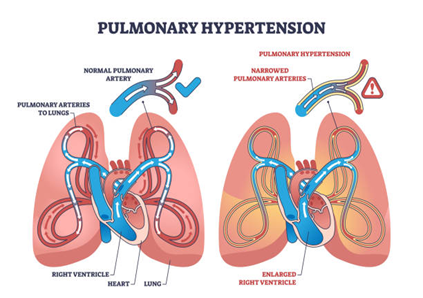
Pulmonary hypertension, often shortened to PH, means the blood pressure inside the arteries of the lungs is higher than it should be. Over time, this asks too much of the heart. The gentler truth, and an important one, is that PH can be managed, and many people go on to live full and active lives with the right care beside them.
For most patients, medicines keep PH under control. When they are not enough, or when there is a cause that can be put right, interventional treatment for pulmonary hypertension can lower the pressure in the lungs, protect the heart, and help a patient feel stronger and more themselves again.
Dr Prashant Bobhate leads the pulmonary hypertension programme at the Children’s Heart Centre, Kokilaben Dhirubhai Ambani Hospital, Mumbai. With more than 12 years of experience, he is one of the few pulmonary hypertension specialists in India who cares for both children and adults. So a newborn in intensive care and an adult living with advanced PH can both find the right support in one place. If you would like the complete picture first, from tests to medicines to everyday care, our main guide to pulmonary hypertension treatment in Mumbai gently walks you through it.
Dr Prashant Bobhate, Pediatric Cardiologist and Pulmonary Hypertension Specialist in India, explains:
“Behind every scan and every number is a person who is frightened and simply wants to feel well again. The right interventional procedure, at the right moment, can ease that fear. It can bring back energy, and it can give families more good time together.”
Contact Us
Curious how PH is diagnosed accurately? Let’s discuss the diagnostic steps that lead to effective treatment.
How Do We Know If a Procedure Will Help You?
Right heart catheterisation. A thin, soft tube is gently guided to the heart to measure the pressure in your lungs directly. It confirms the type of PH. During the same test, a small check called a vasoreactivity test shows how your lung vessels respond to a special medicine.
Looking for old blood clots. If clots may be the cause, two painless scans (a V/Q scan and a CT scan of the lungs) help show whether surgery is possible, or whether a gentler tube-based procedure would be safer.
Understanding how your heart is coping. An echo scan, a short six-minute walk test, and a simple blood test (NT-proBNP) show how well the heart is managing. Together, they help us choose the safest moment to act.
For the full set of tests, explained step by step, see our guide to pulmonary hypertension diagnosis.
Wondering how PH is treated beyond medications? Let’s explore the interventions that provide life-changing relief.
What Are the Interventional Treatment Options for Pulmonary Hypertension?
| Procedure | Who it can help | What it does |
|---|---|---|
| Balloon atrial septostomy | Advanced PAH when the right heart is struggling; patients waiting for a transplant | Makes a small opening between the top two heart chambers to ease pressure on the right side |
| Transcatheter or surgical Potts shunt | Children and some adults whose lung pressure is higher than their body pressure | Links the lung artery to the body’s main artery to take weight off the right heart |
| Pulmonary artery denervation (PADN) | Selected patients with PAH, or PH caused by left heart disease | Uses a thin tube to calm the nerves that keep lung pressure high |
| Pulmonary endarterectomy (first choice for operable CTEPH) | CTEPH that can be operated on | Surgery that removes the old clots; the preferred option, and it can cure CTEPH in the right patients |
| Balloon pulmonary angioplasty | CTEPH that cannot be operated on, or pressure left after surgery | Gently opens narrowed lung arteries with a small balloon; used when surgery is not possible |
| Heart defect closure | A congenital heart defect that can still be repaired | Closes the defect to protect the lung vessels |
| Lung or heart-lung transplant | Selected patients when other options are not enough | Replaces the affected organs |
| Inhaled nitric oxide and ECMO | Newborns and very ill patients | Support the heart and lungs through a crisis |
Balloon Atrial Septostomy
This procedure makes a small opening between the two upper chambers of the heart. Think of it as a gentle release valve. It eases the pressure on the overworked right side and helps keep blood and oxygen flowing. It is not a cure, but it can bring real comfort to a patient whose heart is under great strain, and it can help someone stay stronger while they wait for a transplant. Dr Bobhate creates the opening slowly and carefully, in small steps, watching on live scans the whole time. In some patients, he places a small device called an Atrial Flow Regulator to keep the opening just the right size.
The Potts Shunt
The Potts shunt is a small connection made between the lung artery and the body’s main artery, the aorta. It helps patients whose lung pressure has risen higher than their body pressure. The connection takes weight off the tired right side of the heart. For many children, that can mean the energy to play, to go to school, and simply to be a child again. It can be done through surgery or, for some patients, with a thin tube and no open operation.
At Kokilaben Dhirubhai Ambani Hospital, Dr Bobhate and his team have carried out, Potts shunts, with a positive success rate. The team also performed India’s first tube-based (transcatheter) Potts shunt. The Potts shunt does not cure pulmonary hypertension, but it can bring real relief, and it keeps other options, including a transplant, open for the future.
Pulmonary Artery Denervation (PADN)
This is a newer, keyhole procedure. A thin tube is guided gently to the lung artery, where it calms the nerves that keep the pressure high. When these nerves settle, lung pressure can ease, and patients often find they can do more without becoming breathless. Because it is a newer option, it is right for only some patients. Dr Bobhate will look closely at your situation and talk it through honestly with you, so you can decide together.
Pulmonary Endarterectomy and Balloon Pulmonary Angioplasty
Both of these help patients with CTEPH, the type of PH caused by old blood clots in the lungs. The first step is always to check whether surgery is possible. When it is, pulmonary endarterectomy is the preferred treatment, because removing the old clots can cure CTEPH in the right patients. Balloon pulmonary angioplasty, along with medicines, is kept for when surgery is not possible, or when some pressure remains afterwards. In the balloon procedure, a small balloon gently widens the narrowed arteries, usually across a few calm, planned sittings. Dr Bobhate assesses each patient for surgery first, and takes real care over this choice, because the right path early on often leads to the best result.
Heart Defect Closure, Transplant, and Emergency Support
Some children are born with a heart defect that raises the pressure in the lungs. When it can still be repaired, closing the defect protects the lungs for the years ahead. For a small number of patients, a lung or heart-lung transplant becomes an option once other treatments have been tried. And for very ill newborns, or patients facing a sudden crisis, gentle short-term support (inhaled nitric oxide and ECMO) helps the heart and lungs through the hardest moments. Through all of this, medicines stay part of the plan. You can read more in our guide to pulmonary hypertension medication.
Concerned about the costs of PH treatments? Understanding the expenses involved can help you plan and access the right care.
Cost of Interventional Pulmonary Hypertension Treatment in Mumbai
The cost of interventional treatment for pulmonary hypertension in Mumbai would depend on the severity of the disease, the treatments required, and the infrastructure at the hospital. Further, procedures such as balloon pulmonary angioplasty or catheter-based Potts shunt interventions involve more specialisation and are hence more costly, considering the complexity.
The prices for prostacyclin and endothelin receptor antagonists will vary depending on the medication and dosage needed for ongoing therapy. Besides these, regular follow-up consultations and diagnostic tests, such as echocardiograms and lung function tests, will further add up to the cost of treatment.
Kokilaben Dhirubhai Ambani Hospital offers comprehensive PH management with transparency regarding treatment costs. The financial coordinator of the hospital could also be consulted regarding the possibility of insurance coverage or government aid for the treatment.
Looking for the right expert for PH treatment? Here’s why so many trust Dr. Bobhate to manage pulmonary hypertension.
Why Choose Dr Prashant Bobhate for Interventional Treatment of Pulmonary Hypertension?

12+ Years of Experience in PH Management
Years of focused experience. More than 12 years caring for patients with PH, using proven interventional procedures to help them feel and function better.
Experience in both pediatric and adult PH
Real experience with procedures. Potts shunts, both tube-based and surgical, including India’s first tube-based Potts shunt. He also performs balloon atrial septostomy, pulmonary artery denervation, and right heart catheterisation.
Minimally Invasive Treatment Focus
He prioritizes non-surgical, minimally invasive pulmonary hypertension procedures that minimize recovery time and improve patient comfort and results.
Multidisciplinary Approach to Care
A whole team beside you. Dr Bobhate works closely with heart surgeons, intensive care doctors, and the wider team at the Children’s Heart Centre. Safe interventional treatment for pulmonary hypertension needs exactly this kind of team.
Advanced Diagnostic and Monitoring Techniques
He uses the latest imaging technologies, including echocardiography, right heart catheterization, and lung function tests, to accurately diagnose and plan effective treatment.
Published research.
More than 20 research papers and 6 textbook chapters, including lead authorship of the 2026 PVRI India Taskforce guidance on treating PAH in India.
Leadership in Pulmonary Hypertension Research
A respected voice in the field. Convenor in India for the Pulmonary Vascular Research Institute (PVRI) and head of its India Taskforce since 2018, and a member of the PH committee for the World Congress of Pediatric Cardiology and Cardiac Surgery 2023 in Washington DC.
Frequently Asked Questions
When is an interventional procedure needed for pulmonary hypertension?
A procedure is gently considered when medicines no longer control the disease, when there is a cause that can be put right (such as a blood clot or a heart defect), or when the right side of the heart needs extra support. A pulmonary hypertension specialist always confirms the type and severity of PH first, so nothing is rushed.
Is a Potts shunt a cure for pulmonary hypertension?
It is not a cure, and we want to be honest with you about that. What it can do is take strain off the right side of the heart, and it helps many children return to the things they love. It keeps the condition under control, and it keeps future options, including a transplant, open.
What is the difference between balloon pulmonary angioplasty and pulmonary endarterectomy?
Both treat CTEPH, the type of PH caused by old blood clots. For CTEPH, surgery comes first. Pulmonary endarterectomy is the preferred treatment, and it can cure the right patients. Balloon pulmonary angioplasty, along with medicines, is used only when surgery is not possible, or when some pressure remains after it. The balloon procedure is gentler and tube-based, with no open operation.
Is balloon atrial septostomy safe?
It does carry real risks, so it is offered only to carefully chosen patients, and the opening is made slowly and watched the whole time on live scans. In experienced hands, it can steady a patient who is very unwell and ease their symptoms. Dr Bobhate checks whether it is right for you before taking any step.
What is pulmonary artery denervation?
It is a keyhole procedure in which a thin tube calms the nerves around the lung artery, which can bring the pressure down. It is a newer option used in selected patients, and Dr Bobhate will talk through, openly and without pressure, whether it suits your situation.
Can children have these procedures?
Yes. Procedures such as balloon atrial septostomy and the Potts shunt are used in children with severe PH, with the plan carefully adjusted to the child’s size and needs. Because Dr Bobhate is trained in pediatric cardiology, your child is cared for by a specialist who performs these procedures himself.
How long does recovery take after an interventional procedure?
It depends on the procedure. Tube-based procedures usually need only a short hospital stay. Open surgery, such as pulmonary endarterectomy, needs a little longer. Your team will explain what to expect at every stage and plan gentle follow-up to keep an eye on lung pressure and heart function.
How do I get a second opinion on whether I need a procedure?
Simply share your echo, catheterisation, and scan reports with the clinic. Dr Bobhate will review them, tell you honestly whether a procedure is suitable, and explain the options clearly, including both the risks and the likely benefit. There is no obligation, only guidance.
Disclaimer: The information shared in this content is for educational purposes and not for promotional use.