Can Kids With Heart Disease Play Sports?

Can Kids With Heart Disease Play Sports?

Many children with heart disease can play sports. Not all of them. But far more than most parents ever expect when they first hear the diagnosis and quietly start writing off every football match and swimming gala in their child’s future before anyone has actually assessed what that specific heart can handle. The answer depends entirely on the type of defect, whether it’s been repaired and what the heart looks like right now.

“A cardiac diagnosis doesn’t automatically mean a child sits on the sidelines forever. Most children with treated heart disease can be active and many can compete. The key is knowing which child can do what and why,” says Dr. Prashant Bobhate, Pediatric Cardiologist in Mumbai, India.

Which Children With Heart Disease Can Play Sports and Which Cannot?

This is the conversation most families never get to have properly because the answer they receive is either a blanket yes or a blanket no and neither of those is actually useful when you’re standing in front of a child who just wants to run around with everyone else their age.

  • Repaired simple defects with normal heart function: Children who had a small VSD, ASD or PDA closed early and whose heart function has returned to completely normal on follow up echocardiography can in most cases participate in all sports including competitive ones without any meaningful restriction at all.
  • Repaired Tetralogy of Fallot with good function: Most children after successful TOF repair can participate in recreational and competitive sport but the specific level permitted depends on what the right ventricular function looks like on their most recent cardiac assessment rather than a standard answer that applies to every TOF child the same way.
  • Unrepaired or residual defects with pressure issues: A child with a significant unrepaired defect, elevated pulmonary pressure or reduced ventricular function needs individualised assessment before any sporting activity is cleared because exercise in that context can push a compensating heart past a point it can’t recover from on its own.
  • Pulmonary hypertension changes everything: Children with pulmonary hypertension face a genuinely different set of exercise considerations because high intensity exertion can cause dangerous drops in oxygen and fainting during activity in a way that recreational walking or gentle swimming simply doesn’t and the two cannot be treated as the same conversation.

Understanding exactly where your child sits in that picture is what makes the right congenital heart disease activity guidance actually useful rather than a vague instruction to take it easy that doesn’t tell you anything practically helpful at all.

What Should Parents Actually Watch for When Their Child With Heart Disease Is Active?

Because clearing a child for sport isn’t the end of the conversation. It’s the beginning of a different one about what to watch for when they’re out there doing it. And most families don’t get that second conversation at all which is exactly where things go wrong.

  • Chest pain during or after exercise: Not muscle soreness not stitch not growing pains. Actual chest pain during physical activity in a child with a known cardiac history is a stop what you’re doing and get assessed today situation not a wait and see one.
  • Fainting or near fainting during sport: A child who goes grey, loses consciousness or nearly does during exercise is showing you something that the heart is doing under exertion that it isn’t doing at rest and that gap between rest and exertion is exactly what needs investigating properly and urgently.
  • Breathlessness that doesn’t match the effort: Every child gets puffed running hard. But a child who’s breathless doing something their peers breeze through without noticing is working against something and that something deserves a cardiac look rather than an assumption that they’re just not very fit.
  • Palpitations that feel wrong and different: Children can feel their heart beat hard during sport and that’s normal. But a heart that suddenly feels like it’s racing wildly, skipping or pounding in a way that feels completely different from ordinary exertion is something that needs to be documented and reviewed before the next game.

Parents wanting to understand what early cardiac signs look like before a formal diagnosis is ever made should read this piece onhow to spot the early signs of heart disease in neonates which goes through what these signs genuinely look like when they first appear and why they get missed for as long as they do.

Why Choose Dr. Prashant Bobhate for Pulmonary Hypertension Treatment in Mumbai?

Activity guidance for a child with heart disease isn’t a box you tick on a form. It’s a clinical assessment that requires someone who actually understands what that specific heart is doing under load and what it can and can’t sustain. Dr. Prashant Bobhate spent over 12 years specifically inside congenital cardiac disease in children. From the first diagnosis through repair through long term follow up including the activity conversations families need to have as their child grows.

Schedule a consultation to find out if a cure is possible and what the right treatment plan looks like for you.

FAQs

Can a child with a repaired hole in the heart play sports?

Most children with successfully repaired VSDs or ASDs and normal heart function on follow up can participate in all sports including competitive ones though regular cardiac review remains important as they grow and their activity levels increase.

Are there sports that are completely off limits for kids with heart disease?

High intensity competitive sport and heavy contact sports may be restricted for children with unrepaired defects, elevated pulmonary pressure or reduced heart function but the specific restrictions depend entirely on the individual cardiac assessment rather than the diagnosis alone.

How often should a child with heart disease have a cardiac check before doing sport?

At minimum annually but more frequently if there are residual defects, symptoms during activity or any recent changes in the heart that need monitoring and a specialist decides the review interval based on the specific condition rather than a standard schedule.

What should I do if my child collapses during sport?

Call emergency services immediately. Do not wait to see if they recover on their own. A collapse during physical activity in a child with known heart disease is a medical emergency until proven otherwise regardless of how quickly they seem to come around afterwards.

References:

What Are The 5 Types Of Pulmonary Hypertension

What Are The 5 Types Of Pulmonary Hypertension

There are five classified groups of pulmonary hypertension and each one has a different cause, a different mechanism and a completely different treatment approach. Group 1 is pulmonary arterial hypertension. Group 2 comes from left heart disease. Group 3 from lung disease. Group 4 from blood clots. Group 5 from mixed or unclear causes. Same name on the outside. Five completely different conditions underneath it.

“Calling it all pulmonary hypertension without knowing which group you’re in is like treating five different diseases with the same prescription. The type is everything,” says Dr. Prashant Bobhate, Pediatric Cardiologist in Mumbai, India.

What Are the First Three Groups of Pulmonary Hypertension and What Causes Them?

Most people who get this diagnosis never hear the word group at all. They just hear pulmonary hypertension, walk out with a prescription and have genuinely no idea which version of this they’re actually sitting with.

  • Group 1 pulmonary arterial hypertension: The lung artery walls themselves are the problem. They thicken, narrow and stiffen from the inside for reasons that include genetic mutations, connective tissue disease, congenital heart defects and sometimes no identifiable cause whatsoever which is what makes idiopathic PAH the hardest version of this group to sit with emotionally and clinically.
  • Group 2 left heart disease: The most common type in adults and the one that gets misread most often. The left side isn’t pumping or filling properly and pressure backs up through the pulmonary veins into the lung circulation and what looks like a lung problem is actually a heart problem wearing completely the wrong label.
  • Group 3 lung disease and low oxygen: COPD, interstitial lung disease, sleep apnoea. All of them damage lung tissue and drop oxygen levels over years until the pulmonary vessels start constricting in response and the pressure climbs in a way that compounds everything the underlying lung disease was already quietly doing.
  • Why the group matters more than anything else: Group 1 medications like sildenafil and bosentan can actually worsen Group 2 pulmonary hypertension. Not slightly. Meaningfully. And giving the wrong treatment to the wrong group isn’t a minor error it’s something that makes things measurably and sometimes irreversibly worse.

That’s exactly why getting the group confirmed first is what makes the right pulmonary hypertension plan feel like something built specifically around your situation rather than a standard answer handed to everyone who walks in with the same two words on their referral letter.

What Are Groups 4 and 5 and Why Do They Get Missed So Often?

Because these two get overlooked more than the others. Group 4 especially. And missing Group 4 matters enormously because it’s the one type of pulmonary hypertension where a genuine surgical cure is sitting right there waiting if someone actually looks for it properly.

  • Group 4 chronic thromboembolic pulmonary hypertension: Old unresolved blood clots have scarred the pulmonary arteries and obstructed blood flow and this one is uniquely important because surgery called pulmonary endarterectomy can in many cases physically remove the obstruction and cure the condition outright in a way that no medication anywhere in the world can come close to matching.
  • Group 5 mixed or unclear causes: Sarcoidosis, thyroid disorders, haematological diseases, metabolic conditions. All of them land here and this group doesn’t follow a clean treatment path because the underlying driver is genuinely different in every single patient who ends up in it and there’s no standard protocol that works across all of them.
  • How Group 4 gets missed and what that costs: Right heart catheterisation combined with CTPA and ventilation perfusion imaging is what separates Group 4 from Group 1 properly. Skip that imaging and a patient who could have been surgically cured ends up on lifelong medication instead. That’s not a small consequence for anyone involved.
  • Why Group 5 needs a different kind of thinking: Group 5 requires someone who can look at the whole clinical picture and connect conditions that don’t obviously belong together and that diagnostic instinct only comes from years spent specifically inside this field rather than from seeing it occasionally between other work.

Parents or adults wanting to understand what happens when pulmonary hypertension progresses regardless of the group should read this piece on when is lung transplant necessary for pulmonary hypertension which goes through honestly what the later stages look like and what options genuinely exist at each point along that road.

Why Choose Dr. Prashant Bobhate for Pulmonary Hypertension Treatment in Mumbai?

Getting the group right from the beginning isn’t something you want left to someone who sees pulmonary hypertension a handful of times a year and applies roughly the same approach to all of it. Dr. Prashant Bobhate chose this field deliberately. Spent over 12 years going deeper into every group and subtype of pulmonary hypertension than most cardiologists in India ever have. Trained at Escorts Heart Institute in New Delhi then went specifically to the University of Alberta in Canada just for advanced pulmonary hypertension fellowship training. His clinic is the only one in India running a real dedicated multidisciplinary pediatric pulmonary hypertension programme right now.

Schedule a consultation to find out if a cure is possible and what the right treatment plan looks like for you.

FAQs

Which type of pulmonary hypertension is most common?

Group 2 from left heart disease is the most common type overall in adults while Group 1 pulmonary arterial hypertension is the most common type seen in specialist clinics and in children specifically.

Can you have more than one type at the same time?

Yes and it happens more than people realise. Overlapping drivers from multiple groups make accurate diagnosis critical because treating only one contributing group when two are present rarely produces the result the patient actually needs.

Which type can actually be cured?

Group 4 chronic thromboembolic pulmonary hypertension is the most directly curable through pulmonary endarterectomy surgery and some Group 2 cases also resolve when the underlying left heart problem driving the pressure gets treated effectively enough.

Is Group 1 the most serious?

It’s generally considered the most complex to manage long term because there’s no underlying cause to remove and treatment has to target the disease process inside the artery walls directly rather than fixing what originally started it.

References:

Can Pulmonary Hypertension Be Cured?

Can Pulmonary Hypertension Be Cured?

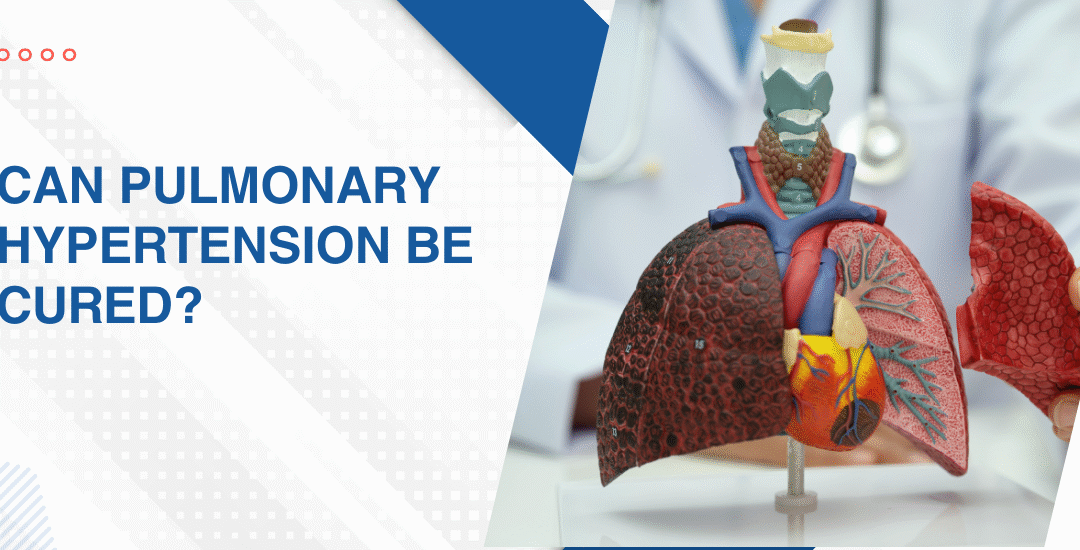
Sometimes yes. Sometimes no. It depends entirely on what’s driving the pressure up in the first place. When there’s an underlying cause that can actually be fixed the pressure often comes back down with it. When there’s no identifiable cause at all the goal shifts from curing it to managing it well enough that life stays as full as possible.

“Cure is the wrong question for some patients and exactly the right question for others. What matters is understanding which situation you’re actually in and building the plan from that honest starting point,” says Dr. Prashant Bobhate, Pediatric Cardiologist in Mumbai, India.

When Can Pulmonary Hypertension Actually Be Cured?

This is what most families don’t get explained clearly enough in that first appointment. Because cure is genuinely possible in some situations and knowing which ones changes how you walk into every conversation that follows.

  • Congenital heart disease repaired early enough: When a structural heart defect is driving the pressure and it gets fixed before irreversible damage builds in those lung vessels the pulmonary hypertension often disappears completely alongside it and the child goes on to live a completely normal life without ever needing ongoing pulmonary hypertension treatment again.
  • Chronic blood clot disease caught in time: Chronic thromboembolic pulmonary hypertension caused by unresolved blood clots sitting in the lung vessels can in many cases be surgically cured through pulmonary endarterectomy which physically removes the clot material and lets the pressure find its way back to normal on its own.
  • Left heart disease treated effectively: When the pressure is secondary to a struggling left heart and that underlying problem gets addressed properly the pulmonary pressure frequently normalises without any separate pulmonary hypertension therapy needed at all because the thing driving it has actually gone.
  • Reversible lung conditions that improve: Some lung conditions push pulmonary pressure up while they’re active and when the lung disease gets treated and genuinely improves the pressure that arrived with it often retreats too depending entirely on how much damage had already accumulated before anyone started treating it.

That direct link between cause and cure is exactly what makes identifying the right underlying driver early so important when building the right pulmonary hypertension plan rather than just reaching for a medication list and hoping it does enough.

When Can Pulmonary Hypertension Not Be Cured and What Happens Then?

Some families need to hear this part too. Not as something to despair over. As a realistic picture of what genuinely good long term management looks like when cure isn’t the story and what’s possible within that reality anyway.

  • Idiopathic pulmonary arterial hypertension: No cause. Nothing to remove. The pressure climbs entirely on its own and while targeted medication can stabilise it for years sometimes decades a traditional cure simply isn’t available with anything that exists today though research is moving in directions that weren’t imaginable even five years ago.
  • Heritable PAH from gene mutations: When something like a BMPR2 mutation is driving the condition there’s no current treatment that corrects the genetic instruction itself and the focus stays on controlling what the mutation is doing inside those vessel walls as effectively as modern therapy allows.
  • Eisenmenger syndrome: When a congenital heart defect has been left too long and the lung vessel damage has gone past the point of return the window for a surgical cure has already closed quietly without announcing itself and management becomes about protecting quality of life and keeping the pressure as stable as possible for as long as possible.
  • Advanced disease found too late: When pulmonary hypertension has been building undetected for years and the right heart has already paid a significant price reversing everything completely isn’t realistic but slowing further progression and genuinely protecting how someone lives day to day absolutely still is.

Parents or adults wanting to understand what happens when pulmonary hypertension moves beyond what medication alone can manage should read this piece on when is lung transplant necessary for pulmonary hypertension which goes through honestly what the later stages look like and what options actually exist at each point along that road.

Why Choose Dr. Prashant Bobhate for Pulmonary Hypertension Treatment in Mumbai?

Whether cure is genuinely on the table or the goal is exceptional long term management you need someone who knows the difference immediately and doesn’t waste your time finding out slowly. Dr. Prashant Bobhate didn’t arrive here by accident. He chose this area deliberately and spent over 12 years going deeper into pulmonary hypertension than most cardiologists in India ever have. Trained at Escorts Heart Institute in New Delhi then went specifically to the University of Alberta in Canada just for advanced pulmonary hypertension fellowship training. His clinic is the only one in India running a real dedicated multidisciplinary pediatric pulmonary hypertension programme right now.

Schedule a consultation to find out if a cure is possible and what the right treatment plan looks like for you.

FAQs

Can children with pulmonary hypertension be cured?

Some yes. Children whose pulmonary hypertension comes from congenital heart disease repaired early often see the pressure normalise completely but idiopathic cases need long term management rather than anything that currently functions as a cure.

What is the life expectancy with pulmonary hypertension?

It depends entirely on the type, how early it was caught and how well it responds to treatment and with modern targeted therapy many patients live for decades with genuinely stable well managed disease rather than the bleak prognosis older treatment options once produced.

Is lung transplant a cure for pulmonary hypertension?

It can effectively resolve pulmonary arterial hypertension in the right candidates but carries significant risks and lifelong demands after the procedure and is reserved specifically for patients whose condition has progressed past everything else available.

Does pulmonary hypertension always get worse over time?

Not always. With the right treatment started early enough many patients stabilise for years and some improve significantly though regular specialist follow up remains essential because the condition can shift without warning even in people who’ve been stable for a long time.

References:

Early Warning Signs of Pulmonary Hypertension

Early Warning Signs of Pulmonary Hypertension

Typically, the first signs of pulmonary hypertension (PH) occur gradually and may go unnoticed by a person experiencing them. Symptoms can include but not be limited to: unexplained shortness of breath (especially with activity), fatigue, and deterioration in ability to complete physical activities. Other common symptoms that may accompany the above-referenced symptoms include dizziness, lightheadedness, chest pain/pressure, and palpitations.

“The warning signs of pulmonary hypertension are easy to explain away. That’s exactly what makes them dangerous,” says Dr. Prashant Bobhate, Pediatric Cardiologist in Mumbai, India.

What Early Signs Does Pulmonary Hypertension Actually Show Up As?

This is the part worth reading carefully. Because none of these signs arrive wearing a label. They don’t come with a note attached saying this is your heart and lungs struggling. 

  • Breathlessness doing things that never used to be an effort: Walking to the car, climbing one flight of stairs, carrying shopping in from the door, suddenly these feel harder than they should and that specific shift is the thing most people spend months dismissing as being unfit.
  • Fatigue that sleep genuinely doesn’t fix: Not ordinary tired after a long week. A bone deep exhaustion that’s sitting there regardless of how much rest you get and that keeps showing up without any obvious reason to explain it.
  • Feeling faint or actually fainting during activity: The body isn’t getting enough oxygenated blood to where it needs to go and that gap between supply and demand becomes most obvious the moment any real physical demand gets placed on the system.
  • Swelling in the ankles or legs that keeps coming back: The right side of the heart struggling against high lung pressure starts backing up and that fluid has to go somewhere and it tends to settle in the legs first before anywhere else.

All of these signs together point toward pulmonary hypertension and the sooner they get properly investigated the more treatment options stay on the table for you.

What Warning Signs in Children Are Different From Adults?

Children can’t sit across from you and say I feel breathless or my legs feel heavy today. So the signs show up differently and if you don’t know what you’re looking for it is genuinely very easy to miss them entirely.

  • A child who keeps stopping during play when other kids don’t: Not laziness. Not personality. A child who consistently needs to sit down and catch their breath while everyone else is still going is showing you something important about what’s happening inside.
  • Feeds that exhaust a baby before they’re even halfway done: Feeding takes enormous effort for a baby with pulmonary hypertension and what looks like a fussy feeder or a preference thing is often actually the heart and lungs running out of capacity mid-feed.
  • Bluish colour appearing around the lips or fingertips: This one doesn’t belong on a child ever. It means blood oxygen is low enough to be visible on the skin and that is not a situation that gets better by waiting to see what happens next week.
  • A baby or child who just seems off in a way you can’t fully explain: Parents often describe this as a gut feeling that something isn’t right long before any specific sign becomes obvious enough to point to and that instinct is almost always worth following up on properly.

Parents carrying that gut feeling right now should read this piece on how to spot the early signs of heart disease in neonates which goes through what these warning signals actually look like in the first weeks and months of life when everything still feels uncertain.

Why Choose Dr. Prashant Bobhate for Pulmonary Hypertension Treatment in Mumbai?

When warning signs have been going on for a while the last thing you need is a doctor who treats your file not you. Dr. Prashant Bobhate actually listens to what you’ve been noticing, takes the timeline seriously and builds his assessment around your specific situation not a standard checklist. He spent over 12 years going deep into pulmonary hypertension specifically. Trained at Escorts Heart Institute in New Delhi then went to the University of Alberta in Canada purely for advanced fellowship training in this one area. His clinic is the only dedicated multidisciplinary pediatric pulmonary hypertension programme in India right now. Over 400 children on advanced therapy. India’s first successful Transcatheter Potts Shunt. He works from what’s actually happening. Not from what usually happens.

A proper evaluation gives you real answers about what’s happening inside those lung arteries and what actually needs to happen next for your child or family member.

FAQs

How early can pulmonary hypertension warning signs appear in children?

From the very first weeks of life in babies born with congenital heart defects or those who had complicated deliveries.

Can pulmonary hypertension warning signs come and go at first?

 Yes and that’s exactly what makes them easy to dismiss because some days feel fine and that feeling of fine makes people put off getting it looked at properly.


Can a child with early pulmonary hypertension seem completely normal most of the time?

Absolutely. Children compensate remarkably well in the early stages and can appear perfectly fine while the pressure inside the lung arteries is already quietly climbing.

Are breathlessness and tiredness always signs of pulmonary hypertension?

Not always but when they keep coming back without a clear explanation and get gradually worse over time they deserve a proper cardiac evaluation not just a wait and see approach.

References:

What Is Pulmonary Hypertension?

What Is Pulmonary Hypertension?

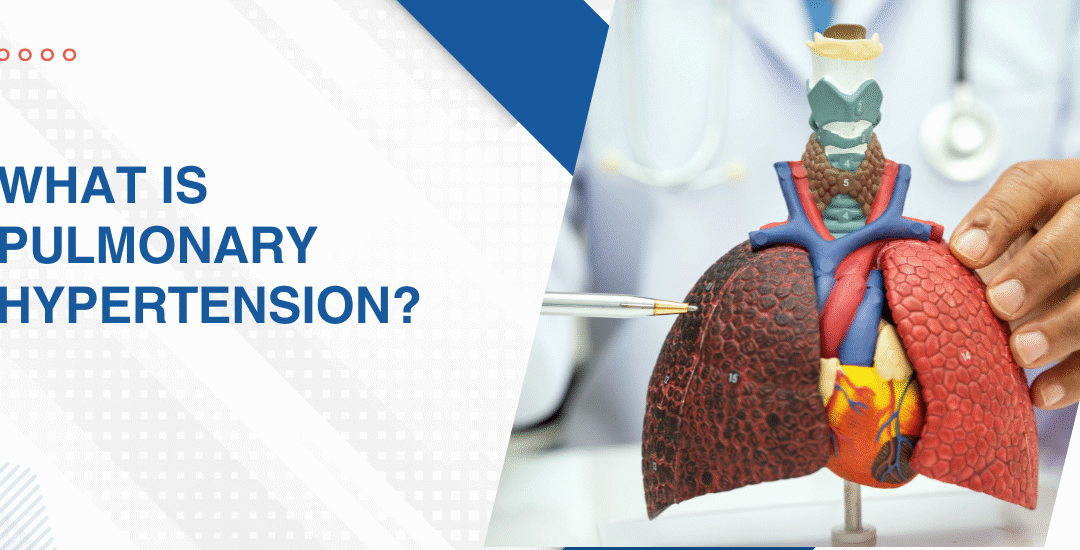
You’d never heard those two words together before. And then a doctor said them and suddenly you couldn’t stop hearing them everywhere. It means the blood pressure inside the arteries running through the lungs has gone dangerously high. The heart keeps pushing. The lungs keep pushing back. And at some point something breaks.

“Pulmonary hypertension isn’t just high blood pressure in the lungs. It’s a condition that quietly changes how the heart and lungs work together and catching it early is what keeps that change from becoming permanent,” says Dr. Prashant Bobhate, Pediatric Cardiologist in Mumbai, India.

What Actually Happens Inside the Body With Pulmonary Hypertension?

Nobody explains this part properly in that first appointment. And without understanding what’s actually happening inside those lung arteries none of the treatment decisions that follow make any real sense to you.

  • Arteries quietly narrow: The walls of the pulmonary arteries thicken from the inside week by week, the space blood has to travel through gets smaller and the pressure required to push anything through just keeps climbing with nowhere to go but up.
  • Right heart starts straining: That right side was never built for sustained high pressure and the longer it keeps compensating for what those narrowed arteries are doing the closer it gets to a point where it genuinely cannot keep going anymore.
  • Oxygen delivery starts failing: Less blood getting through to the lungs means less oxygen reaching the rest of the body and that deficit eventually starts showing up in the most ordinary moments of everyday life in ways that feel completely unrelated.
  • Symptoms sneak in so slowly nobody notices: Breathlessness that used to happen on stairs starts happening on flat ground. Tiredness that sleep genuinely doesn’t fix. Fainting during something as simple as walking to the car. None of it announces itself loudly and that’s exactly why this condition gets missed for so long in so many people.

That slow creeping process is what makes understanding the right pulmonary hypertension treatment feel purposeful rather than just swallowing tablets because someone in a white coat told you to.

Who Gets Pulmonary Hypertension and What Actually Causes It?

This is what families want answered first and almost never get answered clearly. Because this condition doesn’t pick an age group. It shows up in newborns. In teenagers. In adults who had no idea anything was building inside their chest for years before anyone thought to look.

  • Children born with heart defects: A structural heart problem present from birth can quietly push lung artery pressure into dangerous territory over months and the two things often don’t get connected until the damage is already well underway.
  • Adults whose left heart is struggling: The most common trigger in adults is a left heart that isn’t pumping properly and the lungs end up paying heavily for a problem that actually started somewhere else entirely and had nothing to do with them.
  • People whose lungs have been damaged over time: Conditions like COPD grind away at lung tissue for years until the pulmonary artery pressure eventually tips past a point it was never meant to reach and doesn’t come back from on its own.
  • People with no cause at all: No underlying condition. No explanation anyone can find. The pressure just climbs completely on its own and that absence of a reason is genuinely the hardest version of this whole thing for any family to sit with.

Parents or adults already watching symptoms accumulate should read this piece on when is lung transplant necessary for pulmonary hypertension which goes through honestly what progressive pulmonary hypertension actually looks like and what the options are at each stage of that road.

Why Choose Dr. Prashant Bobhate for Pulmonary Hypertension Treatment in Mumbai?

This isn’t the kind of condition you want explained to you by someone who encounters it a few times a year and figures it out carefully as they go. Dr. Prashant Bobhate didn’t land here by accident. He chose this area deliberately and spent over 12 years going deeper into pulmonary hypertension than most cardiologists in India ever have. Trained at Escorts Heart Institute in New Delhi then made a specific trip to the University of Alberta in Canada just for advanced pulmonary hypertension fellowship training

📞 Call Now: (+91) 8080 826 898 

A proper evaluation gives you real answers about what’s happening inside those lung arteries and what actually needs to happen next for your child or family member.

FAQs

Is pulmonary hypertension the same as regular high blood pressure?

Not at all. Regular high blood pressure affects the systemic circulation while pulmonary hypertension specifically affects the arteries inside the lungs and requires completely different treatment.

Can children get pulmonary hypertension?

Yes including newborns. Children born with congenital heart defects or those who had complicated deliveries carry real risk from their very first hours outside the womb.


Is pulmonary hypertension curable?

Sometimes. When an underlying cause like congenital heart disease gets treated early the pulmonary hypertension often resolves alongside it but idiopathic cases need long term management rather than a cure.

How is pulmonary hypertension diagnosed?

Echocardiography gives the first picture but right heart catheterisation is what directly measures pulmonary artery pressure and confirms the diagnosis properly rather than estimating it from the outside.

References:

Call Now Button