
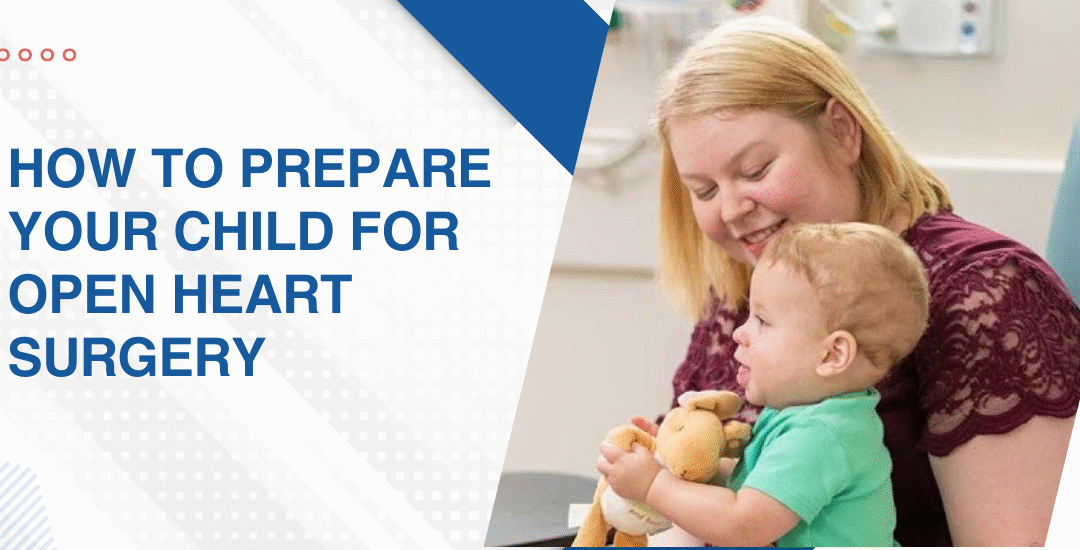
Preparation starts weeks before the surgery date not the night before. The surgical team needs blood work, echo, anaesthesia assessment and medication adjustments done in advance. Parents need to understand what the pre-op protocol requires, what to expect on admission day and what the ICU looks like after the operation so the first time they see any of it isn’t also the most frightening day of their child’s life.
“The families who come in most prepared are almost always the ones who asked every question at the pre-surgical appointment rather than waiting until they were standing outside the OT. There are no foolish questions before open heart surgery on a child. None,” says Dr. Prashant Bobhate, Pediatric Cardiologist in Mumbai, India.
What Does Medical Preparation Before Surgery Actually Involve?
It’s more structured than most parents expect and every step has a reason behind it that the team should be explaining clearly rather than handing over a checklist without context.
- Pre-op investigations: Blood counts, coagulation profile, kidney and liver function, chest X-ray and a final echo confirming the surgical anatomy are all completed before admission and any abnormal finding at this stage changes the surgical timing or approach so nothing gets skipped.
- Medication adjustments: Some cardiac medications need to be continued right up to the morning of surgery while others including certain diuretics and anticoagulants need to be stopped days before and getting this wrong at home is one of the most common avoidable pre-surgical complications families face.
- Fasting instructions: Specific fasting windows for solids and liquids vary by the child’s age and the anaesthetic protocol and following them exactly matters because a full stomach on the morning of cardiac surgery under general anaesthesia creates a real risk that strict fasting eliminates entirely.
- Infection check: Any active respiratory infection, fever, skin infection or dental procedure in the weeks before scheduled cardiac surgery is grounds for postponement because operating on an infected child under bypass carries risks that simply aren’t worth taking when postponing two weeks eliminates them.
Understanding what the recovery period looks like after a paediatric cardiac procedure and what warning signs to watch for is exactly what a thorough pediatric heart failure management consultation covers before any surgical admission is confirmed.
How Do You Prepare Your Child and Yourself Emotionally?
Honestly. Without pretending it’s nothing.
- Age-appropriate honesty: A four year old and a twelve year old need different conversations but both need something true and a child who is told nothing and then wakes up in a cardiac ICU with tubes and monitors everywhere is dealing with shock on top of surgery which is genuinely harder to recover from than one who knew roughly what to expect.
- Hospital visit beforehand: Some centres allow families to see the ICU and recovery area before admission day and for older children especially this single visit removes more anxiety than any amount of reassurance at home because the imagined version of an ICU is almost always worse than the actual one.
- Siblings and family: Other children in the family need age-appropriate information too because a sibling who is told nothing and then sees a parent disappear to a hospital for days while the house goes quiet experiences a kind of fear that honest simple words beforehand would have reduced significantly.
- Your own anxiety: Children read their parents more accurately than most parents realise and a parent who is visibly terrified on admission morning makes a frightened child more frightened regardless of what words are being said so getting your own questions fully answered at the pre-surgical appointment isn’t just for you it’s directly for them.
Parents who want to understand what cardiac warning signs look like in children before any surgical admission becomes the conversation should read this piece on how to spot the early signs of heart disease in neonates because the earlier the right team is involved the more time there is to prepare properly rather than rushing.
Why Choose Dr. Prashant Bobhate for Children's Heart Surgery Preparation in Mumbai?
Open heart surgery on a child is not a day. It’s a process that starts at the first cardiology appointment and doesn’t end at discharge and families need a team that treats it that way rather than handing them a surgery date and a pre-op checklist and calling that preparation. Dr. Prashant Bobhate has spent over 12 years walking families through the full arc of paediatric cardiac care from initial diagnosis through surgical planning through post-operative recovery and long term follow up at the Children’s Heart Centre, Kokilaben Dhirubhai Ambani Hospital. Escorts Heart Institute New Delhi. Fellowship at University of Alberta Canada. Over 400 children on active cardiac therapies right now. He makes sure families know exactly what’s happening and why at every single step.
📞 Call Now: (+91) 8080 826 898 A proper pre-surgical assessment tells you exactly what your child needs before the operation, what to expect during recovery and what the follow-up plan looks like so nothing about the process comes as a surprise.
Schedule a consultation to find out if a cure is possible and what the right treatment plan looks like for you.
FAQs
What should my child eat or drink before open heart surgery?
Follow the specific fasting instructions given by the surgical team exactly because the timing for solids and liquids varies by age and anaesthetic protocol and deviating from them on surgery morning creates avoidable risks.
Should I tell my child about the open heart surgery beforehand?
Yes in age-appropriate terms because a child who wakes up in a cardiac ICU without any preparation is dealing with shock on top of surgery and honest simple words beforehand make the experience significantly less frightening.
Can surgery be postponed if my child has a cold before the operation?
Yes and it should be because operating on a child with an active respiratory infection under cardiopulmonary bypass carries real risks that a two week postponement until full recovery simply eliminates.
What should I bring to the hospital on my child's surgery day?
Comfort items the child knows like a familiar toy or blanket, all current medications with their names and doses, insurance and identification documents and any recent investigation reports the surgical team hasn’t already received.
References:
- Congenital Heart Defects, MedlinePlus, U.S. National Library of Medicine — https://medlineplus.gov/congenitalheartdefects.html
- Congenital Heart Defects, National Heart Lung and Blood Institute — https://www.nhlbi.nih.gov/health/congenital-heart-defects