
Early Warning Signs of Pulmonary Hypertension

Early Warning Signs of Pulmonary Hypertension

Typically, the first signs of pulmonary hypertension (PH) occur gradually and may go unnoticed by a person experiencing them. Symptoms can include but not be limited to: unexplained shortness of breath (especially with activity), fatigue, and deterioration in ability to complete physical activities. Other common symptoms that may accompany the above-referenced symptoms include dizziness, lightheadedness, chest pain/pressure, and palpitations.

“The warning signs of pulmonary hypertension are easy to explain away. That’s exactly what makes them dangerous,” says Dr. Prashant Bobhate, Pediatric Cardiologist in Mumbai, India.

What Early Signs Does Pulmonary Hypertension Actually Show Up As?

This is the part worth reading carefully. Because none of these signs arrive wearing a label. They don’t come with a note attached saying this is your heart and lungs struggling. 

  • Breathlessness doing things that never used to be an effort: Walking to the car, climbing one flight of stairs, carrying shopping in from the door, suddenly these feel harder than they should and that specific shift is the thing most people spend months dismissing as being unfit.
  • Fatigue that sleep genuinely doesn’t fix: Not ordinary tired after a long week. A bone deep exhaustion that’s sitting there regardless of how much rest you get and that keeps showing up without any obvious reason to explain it.
  • Feeling faint or actually fainting during activity: The body isn’t getting enough oxygenated blood to where it needs to go and that gap between supply and demand becomes most obvious the moment any real physical demand gets placed on the system.
  • Swelling in the ankles or legs that keeps coming back: The right side of the heart struggling against high lung pressure starts backing up and that fluid has to go somewhere and it tends to settle in the legs first before anywhere else.

All of these signs together point toward pulmonary hypertension and the sooner they get properly investigated the more treatment options stay on the table for you.

What Warning Signs in Children Are Different From Adults?

Children can’t sit across from you and say I feel breathless or my legs feel heavy today. So the signs show up differently and if you don’t know what you’re looking for it is genuinely very easy to miss them entirely.

  • A child who keeps stopping during play when other kids don’t: Not laziness. Not personality. A child who consistently needs to sit down and catch their breath while everyone else is still going is showing you something important about what’s happening inside.
  • Feeds that exhaust a baby before they’re even halfway done: Feeding takes enormous effort for a baby with pulmonary hypertension and what looks like a fussy feeder or a preference thing is often actually the heart and lungs running out of capacity mid-feed.
  • Bluish colour appearing around the lips or fingertips: This one doesn’t belong on a child ever. It means blood oxygen is low enough to be visible on the skin and that is not a situation that gets better by waiting to see what happens next week.
  • A baby or child who just seems off in a way you can’t fully explain: Parents often describe this as a gut feeling that something isn’t right long before any specific sign becomes obvious enough to point to and that instinct is almost always worth following up on properly.

Parents carrying that gut feeling right now should read this piece on how to spot the early signs of heart disease in neonates which goes through what these warning signals actually look like in the first weeks and months of life when everything still feels uncertain.

Why Choose Dr. Prashant Bobhate for Pulmonary Hypertension Treatment in Mumbai?

When warning signs have been going on for a while the last thing you need is a doctor who treats your file not you. Dr. Prashant Bobhate actually listens to what you’ve been noticing, takes the timeline seriously and builds his assessment around your specific situation not a standard checklist. He spent over 12 years going deep into pulmonary hypertension specifically. Trained at Escorts Heart Institute in New Delhi then went to the University of Alberta in Canada purely for advanced fellowship training in this one area. His clinic is the only dedicated multidisciplinary pediatric pulmonary hypertension programme in India right now. Over 400 children on advanced therapy. India’s first successful Transcatheter Potts Shunt. He works from what’s actually happening. Not from what usually happens.

A proper evaluation gives you real answers about what’s happening inside those lung arteries and what actually needs to happen next for your child or family member.

FAQs

How early can pulmonary hypertension warning signs appear in children?

From the very first weeks of life in babies born with congenital heart defects or those who had complicated deliveries.

Can pulmonary hypertension warning signs come and go at first?

 Yes and that’s exactly what makes them easy to dismiss because some days feel fine and that feeling of fine makes people put off getting it looked at properly.


Can a child with early pulmonary hypertension seem completely normal most of the time?

Absolutely. Children compensate remarkably well in the early stages and can appear perfectly fine while the pressure inside the lung arteries is already quietly climbing.

Are breathlessness and tiredness always signs of pulmonary hypertension?

Not always but when they keep coming back without a clear explanation and get gradually worse over time they deserve a proper cardiac evaluation not just a wait and see approach.

References:

What Is Pulmonary Hypertension?

What Is Pulmonary Hypertension?

You’d never heard those two words together before. And then a doctor said them and suddenly you couldn’t stop hearing them everywhere. It means the blood pressure inside the arteries running through the lungs has gone dangerously high. The heart keeps pushing. The lungs keep pushing back. And at some point something breaks.

“Pulmonary hypertension isn’t just high blood pressure in the lungs. It’s a condition that quietly changes how the heart and lungs work together and catching it early is what keeps that change from becoming permanent,” says Dr. Prashant Bobhate, Pediatric Cardiologist in Mumbai, India.

What Actually Happens Inside the Body With Pulmonary Hypertension?

Nobody explains this part properly in that first appointment. And without understanding what’s actually happening inside those lung arteries none of the treatment decisions that follow make any real sense to you.

  • Arteries quietly narrow: The walls of the pulmonary arteries thicken from the inside week by week, the space blood has to travel through gets smaller and the pressure required to push anything through just keeps climbing with nowhere to go but up.
  • Right heart starts straining: That right side was never built for sustained high pressure and the longer it keeps compensating for what those narrowed arteries are doing the closer it gets to a point where it genuinely cannot keep going anymore.
  • Oxygen delivery starts failing: Less blood getting through to the lungs means less oxygen reaching the rest of the body and that deficit eventually starts showing up in the most ordinary moments of everyday life in ways that feel completely unrelated.
  • Symptoms sneak in so slowly nobody notices: Breathlessness that used to happen on stairs starts happening on flat ground. Tiredness that sleep genuinely doesn’t fix. Fainting during something as simple as walking to the car. None of it announces itself loudly and that’s exactly why this condition gets missed for so long in so many people.

That slow creeping process is what makes understanding the right pulmonary hypertension treatment feel purposeful rather than just swallowing tablets because someone in a white coat told you to.

Who Gets Pulmonary Hypertension and What Actually Causes It?

This is what families want answered first and almost never get answered clearly. Because this condition doesn’t pick an age group. It shows up in newborns. In teenagers. In adults who had no idea anything was building inside their chest for years before anyone thought to look.

  • Children born with heart defects: A structural heart problem present from birth can quietly push lung artery pressure into dangerous territory over months and the two things often don’t get connected until the damage is already well underway.
  • Adults whose left heart is struggling: The most common trigger in adults is a left heart that isn’t pumping properly and the lungs end up paying heavily for a problem that actually started somewhere else entirely and had nothing to do with them.
  • People whose lungs have been damaged over time: Conditions like COPD grind away at lung tissue for years until the pulmonary artery pressure eventually tips past a point it was never meant to reach and doesn’t come back from on its own.
  • People with no cause at all: No underlying condition. No explanation anyone can find. The pressure just climbs completely on its own and that absence of a reason is genuinely the hardest version of this whole thing for any family to sit with.

Parents or adults already watching symptoms accumulate should read this piece on when is lung transplant necessary for pulmonary hypertension which goes through honestly what progressive pulmonary hypertension actually looks like and what the options are at each stage of that road.

Why Choose Dr. Prashant Bobhate for Pulmonary Hypertension Treatment in Mumbai?

This isn’t the kind of condition you want explained to you by someone who encounters it a few times a year and figures it out carefully as they go. Dr. Prashant Bobhate didn’t land here by accident. He chose this area deliberately and spent over 12 years going deeper into pulmonary hypertension than most cardiologists in India ever have. Trained at Escorts Heart Institute in New Delhi then made a specific trip to the University of Alberta in Canada just for advanced pulmonary hypertension fellowship training

📞 Call Now: (+91) 8080 826 898 

A proper evaluation gives you real answers about what’s happening inside those lung arteries and what actually needs to happen next for your child or family member.

FAQs

Is pulmonary hypertension the same as regular high blood pressure?

Not at all. Regular high blood pressure affects the systemic circulation while pulmonary hypertension specifically affects the arteries inside the lungs and requires completely different treatment.

Can children get pulmonary hypertension?

Yes including newborns. Children born with congenital heart defects or those who had complicated deliveries carry real risk from their very first hours outside the womb.


Is pulmonary hypertension curable?

Sometimes. When an underlying cause like congenital heart disease gets treated early the pulmonary hypertension often resolves alongside it but idiopathic cases need long term management rather than a cure.

How is pulmonary hypertension diagnosed?

Echocardiography gives the first picture but right heart catheterisation is what directly measures pulmonary artery pressure and confirms the diagnosis properly rather than estimating it from the outside.

References:

What Is a Hole in the Heart in Babies?

What Is a Hole in the Heart in Babies?

Nobody in that delivery room hands you a guide for this. You’re still figuring out feeding and sleep and then someone says your baby has a hole in the heart. Just like that. It’s a gap between heart chambers that genuinely shouldn’t be sitting there. Some gaps seal up without anyone doing a thing. Others don’t budge. And how much trouble it causes your baby comes down entirely to where that hole is, what size it grew to and what it’s been silently doing to that little heart since before you even knew about it.

“A hole in the heart isn’t always an emergency but it’s never something to watch from a distance without a proper evaluation first,” says Dr. Prashant Bobhate, Pediatric Cardiologist in Mumbai, India.

What Types of Holes in the Heart Actually Show Up in Babies?

This isn’t one thing with one name. That’s the first thing worth knowing. Different holes. Different spots inside the heart. Different amounts of serious. A baby can go home and never need a procedure their whole life.

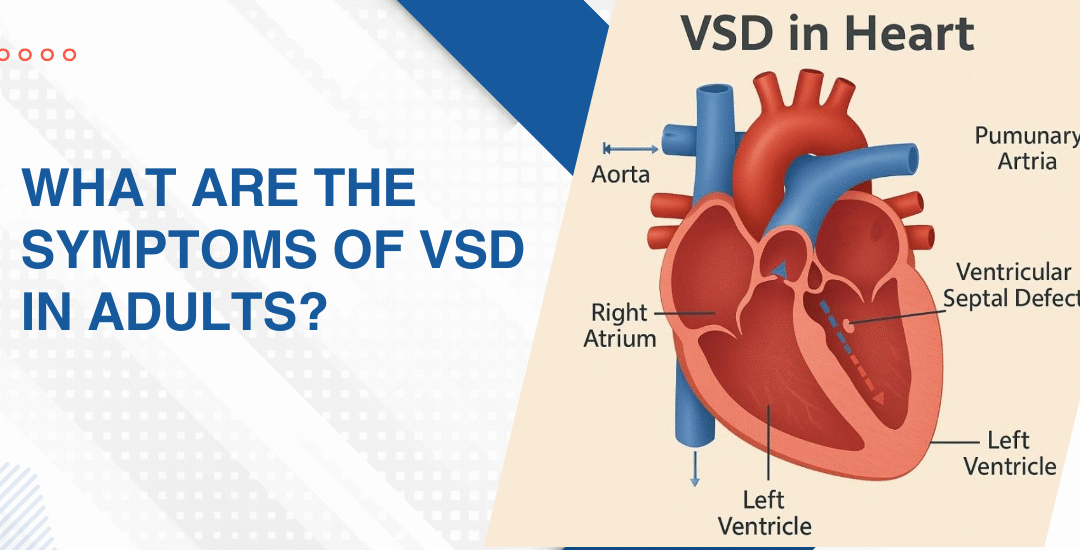
  • Ventricular Septal Defect (VSD): Most common one doctors see, found between the lower chambers, and genuinely quite a few small ones just close by themselves over the first year with zero intervention from anyone.
  • Atrial Septal Defect (ASD): This one is a quiet hider. It sits between the upper chambers and can go completely undetected for years because nothing in the early stages points anyone toward thinking heart.
  • Patent Ductus Arteriosus (PDA): A vessel that was supposed to close itself down right after birth just didn’t do it and has been sending blood the wrong direction through your baby’s body from day one without anyone catching on.
  • Atrioventricular Septal Defect (AVSD): Upper and lower chambers hit at the same time, crops up more in babies born with Down syndrome, and honestly it nearly always needs surgical repair at some stage.

What type it is, exactly where it lives and what extra work it’s piling onto the heart all feed into the right congenital heart disease treatment decision for your specific child.

What Signs Suggest a Heart Hole Is Causing a Problem in Your Baby?

Weeks go by sometimes. Months even. And parents are still putting it down to a difficult phase or a fussy feeder or just one of those things. 

  • Breathing that looks like genuine hard work: Chest visibly caving in during feeds or breathing way too fast while resting quietly means the heart and lungs aren’t coping the way they should be at this age.
  • Every feed stops halfway and the weight just isn’t going up: Your baby quits before the feed’s done every single time and still isn’t growing. That’s a pattern. Patterns have reasons. This one’s worth finding out.
  • Blue tint sitting around the lips or fingers: That colour on a baby isn’t normal and it isn’t something to watch from home for another few weeks. It means blood oxygen is low and that needs looking at today not later.
  • Same chest infection rolling back in before the last one finished: A hole letting blood into the lungs builds the exact warm wet environment where infections move in, get comfortable and just keep returning no matter what treatment you throw at them.

Parents already watching some of this play out with their own baby should read this piece on how to spot the early signs of heart disease in neonates which goes through what these signs genuinely look like in real life during those first few weeks at home

Why Choose Dr. Prashant Bobhate for Pulmonary Hypertension Treatment in Mumbai?

You don’t want someone who treats your baby like a case number on a list. Dr. Prashant Bobhate is the kind of doctor who actually sits down with you, talks through what’s happening in real language and builds something around your child’s actual situation not a textbook version of it. He trained at Escorts Heart Institute in New Delhi then made a deliberate choice to go to the University of Alberta in Canada specifically to go deeper into this field. His team carried out India’s very first successful Transcatheter Potts Shunt and right now looks after over 400 children on advanced therapy.

📞 Call Now: (+91) 8080 826 898 

A proper evaluation provides clear answers about what the hole is doing and what the right next step actually is for your child.

FAQs

Can a hole in the heart in babies close on its own?

Many small VSDs and PDAs close naturally within the first year of life without requiring any medical or surgical intervention.

Is a hole in the heart always detected during pregnancy scans?

Not always. Fetal echocardiography between 18 to 22 weeks provides the clearest view but smaller defects can still go undetected before birth.

Does a baby with a heart hole always need surgery?

Not necessarily. Small holes are often monitored over time while larger or symptomatic defects require intervention sooner to prevent complications.

Can a child live a normal life after treatment for a heart hole?

Yes. Most children who receive timely and appropriate treatment go on to live fully active and normal lives with no lasting restrictions.

References:

Most Common Cause of Pulmonary Hypertension

Most Common Cause of Pulmonary Hypertension

In most cases of pulmonary hypertension (PH), a left-sided heart disease (for example, heart failure or valve disease) presently exists. With this overworking of the right side of the heart to push blood through the lungs, pulmonary artery pressure is elevated.

“Pulmonary hypertension in children is almost always linked to an underlying cause. Find the cause, treat it correctly and you give that child a genuinely better future,” says Dr. Prashant Bobhate, Pediatric Cardiologist in Mumbai, India.

What Are the Most Common Causes of Pulmonary Hypertension?

Here’s what most families never get explained properly in that first consultation. Pulmonary hypertension doesn’t just decide to show up one morning. Something brought it there. Something that was already quietly happening in the background while life carried on completely normally around it.

  • Congenital heart disease: A structural defect your child was born with is the single biggest driver of pulmonary hypertension in kids and it walks into specialist clinics far more often than any family sitting in that waiting room ever expected it would when they first arrived.
  • Chronic lung conditions: Bronchopulmonary dysplasia just chips away at the lung arteries quietly and steadily every single day until blood pressure crosses a line it was never supposed to cross and doesn’t easily come back down from.
  • Connective tissue disorders: Lupus, scleroderma, things in that family silently eat through pulmonary blood vessel walls for months sometimes before anyone starts connecting those dots to what’s actually happening with the pressure readings.
  • Idiopathic pulmonary arterial hypertension: No reason. No cause anyone can point to. The pressure just keeps climbing on its own and that’s genuinely the version of this that keeps specialists up at night because there’s nothing obvious to go after and fix.

Nearly 40% of childhood pulmonary hypertension traces straight back to congenital heart disease and catching that connection early is honestly what rewrites how the rest of this whole story goes.

What Happens When the Cause Gets Left Without Proper Treatment?

Nobody wants to read this part. But here it is anyway because you came here wanting the real answer not a softened version of it. The cause doesn’t sit quietly and wait for you to get around to dealing with it. It keeps doing what it’s doing. 

  • Right heart breaks down quietly: Beat after beat that right heart keeps pushing against pressure it was never meant to handle and one day it just runs out of road completely and by then the damage has usually been building far longer than anyone realised.
  • Physical life shrinks week by week: What started as getting winded on stairs becomes getting winded sitting still and that progression doesn’t pause for anyone while nothing’s being done to slow it down.
  • Oxygen crashes arrive without warning: Mid-meal, mid-sleep, mid-playing in the garden and they don’t knock before they come in and they can go from worrying to genuinely frightening faster than anyone sitting nearby is prepared for.
  • Other organs start paying quietly too: Kidneys, liver, everything downstream of a heart that’s struggling to circulate properly starts accumulating damage that doesn’t always fully reverse even when the right treatment finally arrives later.

Parents or adults already watching this unfold should read this piece on when is lung transplant necessary for pulmonary hypertension which goes through honestly what happens when pulmonary hypertension progresses and what the options look like at each stage of that road.

Why Choose Dr. Prashant Bobhate for Pulmonary Hypertension Treatment in Mumbai?

Finding the cause isn’t something you want left to someone who sees this a handful of times a year and figures it out carefully as they go. Dr. Prashant Bobhate didn’t stumble into this area. He chose it deliberately and spent over 12 years going deeper into pulmonary hypertension than most cardiologists in India ever have. Trained at Escorts Heart Institute in New Delhi then made a specific trip to the University of Alberta in Canada just for advanced pulmonary hypertension fellowship training.

📞 Call Now: (+91) 8080 826 898 

A proper evaluation gives you real answers about what’s actually driving the pressure in your specific case and what treatment needs to look like going forward.

FAQs

Most common cause in children?

Congenital heart disease is the single most common cause of pulmonary hypertension in children and finding that link early dramatically changes what treatment looks like and how the story goes.

Can the cause be fixed completely?

Sometimes yes. When congenital heart disease is driving the pressure fixing that defect early enough often brings the pulmonary pressure back down to normal alongside it.

Is there a cause that has no treatment?

Idiopathic PAH has no identifiable cause to remove but the pressure itself can be managed effectively with targeted medication and the condition can be kept stable for years with the right specialist involved.

Does stress cause pulmonary hypertension?

No evidence that ordinary stress or lifestyle choices directly cause pulmonary hypertension though certain substances and specific medical conditions are strongly associated with its development.tive normal lives without any lasting limitations whatsoever.

References:

What Is Congenital Heart Disease in Children?

What Is Congenital Heart Disease in Children?

Congenital Heart Defects (CHD) consist of structural defects of the heart which exist at birth and affect approximately one in every 100 newborns. These defects occur when the heart or blood vessels fail to develop completely during the gestation process. There is a wide variety of CHD, from small defects that require monitoring to larger, life-threatening disease. Treatment can include careful monitoring, medications, and surgical intervention.

“Most children with congenital heart disease can live full healthy lives when the condition is caught early and managed with the right plan from the start,” says Dr. Prashant Bobhate, Pediatric Cardiologist in Mumbai, India.


What Are the Most Common Types of Congenital Heart Disease in Children?

This isn’t one condition wearing one face. It’s a whole group of structural problems each sitting in a different part of the heart each doing completely different things to blood flow and oxygen delivery.

  • Ventricular Septal Defect (VSD): A hole between the lower chambers letting blood go places it really shouldn’t and while smaller ones sometimes close on their own bigger ones silently pile pressure onto a heart that’s still learning how to work properly.
  • Atrial Septal Defect (ASD): Opening between the upper chambers that is genuinely excellent at hiding because the early signs look like absolutely nothing worrying for a very long time and most families have no idea it’s there.
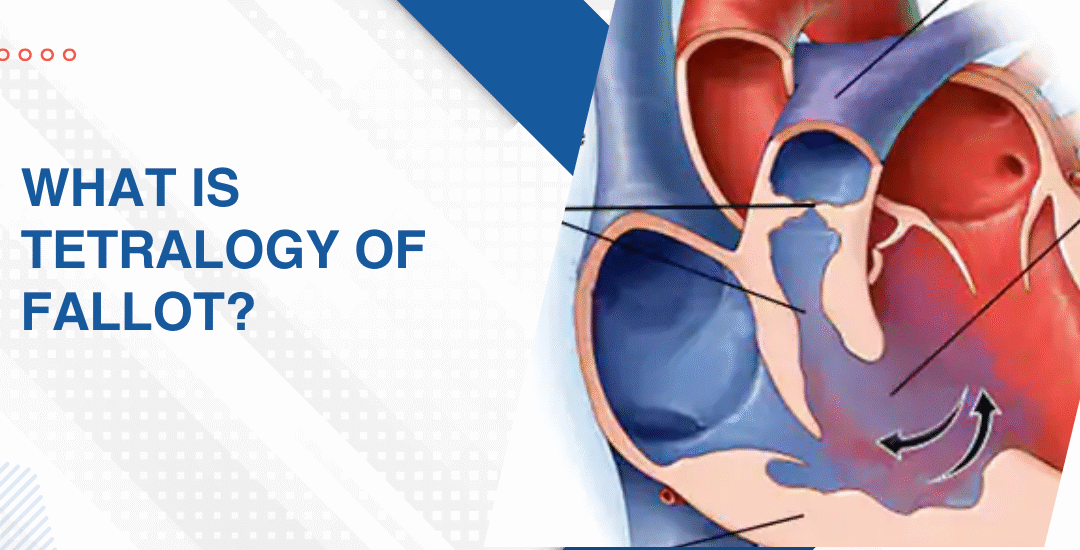
  • Tetralogy of Fallot (TOF): Four separate problems hitting the heart simultaneously, oxygen in the blood drops and the skin takes on that bluish colour that stops parents cold the very first time they see it on their own child’s face.
  • Transposition of the Great Arteries (TGA): The two main arteries have swapped positions completely and this one doesn’t wait around because it becomes life threatening within the first hours if nobody’s caught it yet.

What type it is, where exactly it sits and what it’s doing to blood flow moment to moment all feed into the right congenital heart disease treatment path for your child specifically.

What Warning Signs Tell You Something Is Wrong With Your Child's Heart?

Weeks go by sometimes. Months even. Because this doesn’t show up wearing a sign. It shows up wearing the face of a tired baby or a child who just seems flat or a kid who always needs to sit down before everyone else does.

  • Breathlessness doing almost nothing: A child struggling to breathe through things other kids their age breeze through without noticing is showing you something that deserves actual investigation rather than watching and hoping it settles on its own.
  • That bluish tint around lips or fingernails: Wrong colour for a child full stop and it means not enough oxygen is making it into the blood which isn’t a watch and see situation from the sofa under any circumstances.
  • Feeding feels like a marathon and weight just isn’t happening: A baby who exhausts themselves trying to get through a feed and still isn’t growing the way the charts say they should has something going on that needs a proper cardiac look not a formula change.
  • Always the tired one, always the one who can’t keep up: If your child is consistently the kid sitting out, crashing early and running on empty while everyone else is still going that pattern is worth chasing down properly.

Parents already watching some of this unfold with their own child should read this piece on how to spot the early signs of heart disease in neonates which goes through what these signs genuinely look like during those first weeks when everything still feels new and uncertain.

Why Choose Dr. Prashant Bobhate for Congenital Heart Disease Treatment in Mumbai?

Your child’s heart isn’t the place for someone who dips into this occasionally between other work. Dr. Prashant Bobhate spent over 12 years going deep into specifically this area. Trained at Escorts Heart Institute in New Delhi then made a deliberate trip to the University of Alberta in Canada just to go further into it. His team carried out India’s very first successful Transcatheter Potts Shunt and right now actively manages over 400 children on advanced therapy. He doesn’t reach for a standard protocol. He sits with what’s actually happening inside your child’s heart and builds entirely from there.

📞 Call Now: (+91) 8080 826 898 

A proper evaluation gives you real answers about what’s happening with your child’s heart and what the right next step actually is.

FAQs

Can congenital heart defects be detected before birth?

Yes fetal echocardiography between 18 to 22 weeks can identify most structural heart defects before your baby has even taken their first breath outside the womb.

Are congenital heart defects genetic?

Some types carry a genetic link but plenty occur without any family history and without any clear reason anyone can point to even after thorough investigation.

Do all congenital heart defects require surgery?

Not always. Some defects close without help or get managed with medication while others do need surgical or catheter based intervention depending on size and severity.

Can children with congenital heart defects live a normal life?

Yes. Most children who get the right treatment at the right time go on to live completely active normal lives without any lasting limitations whatsoever.

References: