
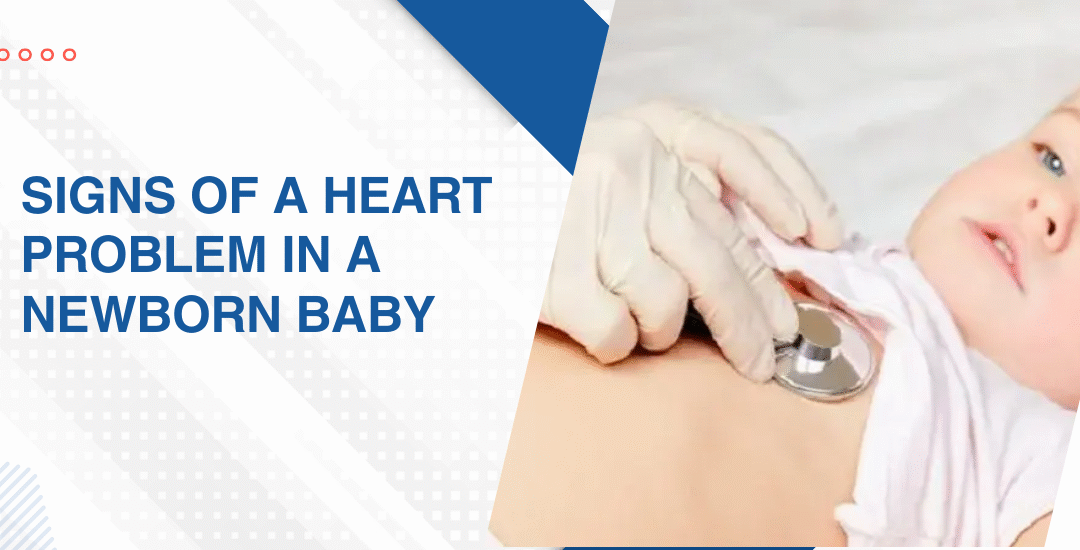
The signs most parents miss are the quiet ones. Bluish skin around the lips, a baby who tires during feeds, breathing that seems too fast even at rest and weight that just won’t come on the way it should. These aren’t always obvious in the first days home. But they’re there if you know what you’re actually looking at.
“Most cardiac signs in newborns don’t announce themselves dramatically. They show up in how the baby feeds, breathes and grows and parents often sense something is off long before anyone puts a name to it,” says Dr. Prashant Bobhate, Pediatric Cardiologist in Mumbai, India.
What Are the Early Signs of a Heart Problem in Newborns?
The earliest signs don’t look cardiac to most people. They look like a difficult baby. A fussy feeder.
- Blue colour: A persistent bluish tint around the lips, tongue or fingertips especially during feeding, crying or any kind of effort is the clearest cardiac red flag a newborn can show you and it needs same day assessment not a wait and see.
- Fast breathing: A resting respiratory rate consistently above 60 breaths per minute in a calm settled baby means the lungs are handling more than they should and the heart behind them deserves a proper look without delay.
- Feeding trouble: A baby who sweats during feeds, pulls away repeatedly, takes over 30 minutes to finish a small amount or falls asleep exhausted mid-feed is burning calories the heart can’t keep replacing under the extra circulatory load it’s carrying.
- Poor weight gain: A newborn dropping off their growth curve in the first weeks despite seemingly adequate feeding and no obvious gut reason is often showing you chronic cardiac strain from the outside before any other sign has made itself obvious.
Getting an echocardiogram done properly by someone who knows exactly what a newborn heart should look like is what a proper congenital heart disease assessment does before the window for the easiest intervention quietly closes.
What Signs Mean Something More Urgent Is Happening?
Because there’s a difference between a baby who needs to be seen this week and one who needs to be seen today. Some signs sit in the background for weeks.
- Grey or mottled skin: A newborn whose skin looks grey, blotchy or mottled rather than just pale is showing you that circulation has already become compromised and that’s a same hour emergency not a tomorrow morning phone call.
- Grunting with every breath: A baby who grunts audibly at the end of each breath is working so hard to keep their lungs open that the body is recruiting every mechanism it has left and that kind of effort can’t be sustained for long.
- Rapid heart rate at rest: A resting heart rate persistently above 160 in a quiet sleeping newborn without fever or obvious cause is the heart telling you it’s compensating for something it can’t keep compensating for indefinitely on its own.
- Puffy face or limbs: Swelling around the eyes, face or feet in a newborn that isn’t positional or feeding related can mean the heart is already failing to manage fluid in the way a newborn heart should and that needs immediate evaluation.
Parents who want to understand exactly what the newborn cardiac warning signs look like in those first fragile weeks should read this piece on how to spot the early signs of heart disease in neonates because the earlier someone identifies what’s happening the more options there are for what comes next.
Why Choose Dr. Prashant Bobhate for Newborn Heart Care in Mumbai?
A newborn with a suspected heart problem needs someone who has read hundreds of neonatal echos, knows what critical pulmonary stenosis looks like on day two of life and can make a management call without waiting for a committee. Dr. Prashant Bobhate spent over 12 years working across every age and complexity of congenital heart disease from fetal diagnosis through neonatal critical presentations through long term follow up into adulthood. Trained at Escorts Heart Institute in New Delhi then went deliberately to the University of Alberta in Canada for advanced paediatric cardiac fellowship training
Schedule a consultation to find out if a cure is possible and what the right treatment plan looks like for you.
FAQs
When should I worry about my newborn's breathing?
If your baby is breathing faster than 60 breaths per minute at rest, grunting with each breath or showing any bluish colour around the lips, get them assessed the same day without waiting.
Can a newborn heart problem be missed at birth?
Yes. Some defects pass routine newborn screening and only declare themselves in the first days or weeks at home which is exactly why feeding difficulty, fast breathing and poor weight gain always deserve cardiac follow up.
Is a heart murmur in a newborn serious?
Not always but it always needs a formal echo evaluation because some innocent murmurs mean nothing while others are the first sound of a defect that needs early intervention to prevent long term damage.
What happens if a newborn heart problem goes undetected?
Some defects worsen rapidly in the first weeks of life as the newborn circulation changes and delays in detection can narrow or close the window for the least invasive treatment options available.
References:
- Congenital Heart Defects, MedlinePlus, U.S. National Library of Medicine — https://medlineplus.gov/congenitalheartdefects.html
Congenital Heart Defects, National Heart Lung and Blood Institute — https://www.nhlbi.nih.gov/health/congenital-heart-defects