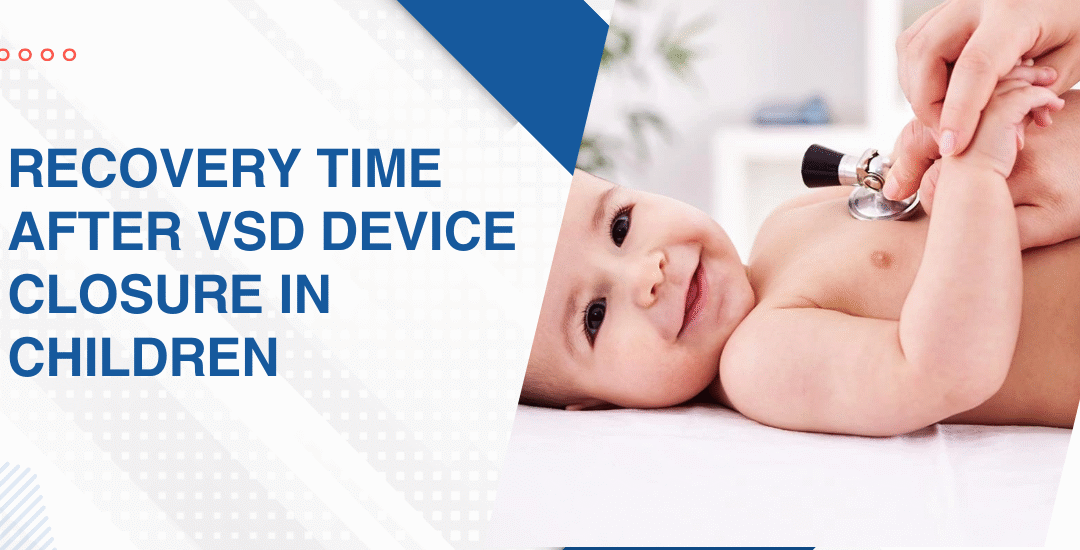
Most children go home within one to two days of VSD device closure and return to normal activity within one to two weeks. No chest opening, no bypass, no long ICU stay. But faster recovery doesn’t mean no recovery, and the first month after the procedure carries specific restrictions, medications, and follow-up echo requirements that need to be followed properly for the device to settle safely into position.
“Parents are often surprised by how quickly their child bounces back after device closure compared to what they were imagining open heart surgery would look like, and that’s genuinely one of the things that makes catheter-based closure the right answer when the anatomy supports it,” says Dr. Prashant Bobhate, Pediatric Cardiologist in Mumbai, India.
What Does the Immediate Recovery Look Like After VSD Device Closure?
The first 48 hours are monitored, structured, and very different from what families imagine open-heart recovery involves because this procedure doesn’t touch the chest wall at all.
- Same day monitoring: After the procedure, the child is observed in a monitored bed for several hours to confirm the device is sitting correctly, the heart rhythm is stable, and there’s no significant residual shunting visible on the post-procedure echo before anyone talks about the ward.
- Hospital stay: Most children spend one night in the hospital after uncomplicated device closure and are discharged the following morning once the team is satisfied with the rhythm, the echo findings, and the child’s overall clinical status.
- Catheter site care: The entry point in the femoral vein or artery needs to be kept clean and dry for several days, and physical activity that strains the groin area needs to be avoided for at least a week to allow the access site to heal without complication.
- Going home medications: Aspirin for antiplatelet cover is prescribed for six months after most VSD device closures to reduce the risk of clot formation on the device surface while the heart tissue grows over it, and this medication needs to be given exactly as prescribed without gaps.
Understanding what the full picture of VSD management looks like from diagnosis through closure through long-term follow-up is exactly what a thorough ventricular septal defect assessment maps out before any intervention decision gets made.
What Are the Activity and Follow-Up Restrictions After Discharge?
More specific than most families expect from a catheter procedure.
- First two weeks: No running, jumping, contact sport or rough play because the device is still embedding into the septal tissue and any significant physical impact during this window carries a small but real risk of device displacement before tissue ingrowth is complete.
- Return to school: Most children can return to school within one to two weeks but need to be excused from physical education, sports and any activity involving physical contact for the full first month until the follow-up echo confirms the device is stable and well positioned.
- One month echo: This is the most important follow-up appointment in the entire post-closure period because it confirms device position, checks for residual shunting, assesses the rhythm and determines whether the antiplatelet medication continues or can be reviewed at the next visit.
- Six month review: A second echo at six months confirms complete tissue coverage of the device, checks valve function on both sides of the septum and gives the cardiologist the information needed to formally close the active surveillance phase or flag anything that needs continued monitoring.
Parents wanting to understand what cardiac warning signs look like in children in the weeks after any cardiac procedure should read this piece on top 5 warning signs of pediatric heart failure because knowing what to watch for at home is as important as knowing what happened in the catheterisation lab.
Why Choose Dr. Prashant Bobhate for VSD Device Closure in Mumbai?
VSD device closure isn’t just the procedure on the day. It’s the echo assessment that confirms the anatomy supports a device, the catheterisation performed precisely enough that the device sits without residual shunting, and the follow-up plan that catches anything that changes in the months after. All of that in one place. Dr. Prashant Bobhate has spent over 12 years performing catheter-based VSD closures and managing the full post-procedure surveillance pathway at the Children’s Heart Centre, Kokilaben Dhirubhai Ambani Hospital. Escorts Heart Institute, New Delhi. Fellowship at the University of Alberta, Canada. Over 400 children are on active cardiac therapies right now. He doesn’t hand a family a discharge summary and step back. He follows the device until the heart has made it its own.
📞 Call Now: (+91) 8080 826 898 A proper VSD assessment tells you whether device closure is anatomically possible for your child, what the procedure involves, and exactly what the recovery and follow-up plan looks like from day one through six months.
Schedule a consultation to find out if a cure is possible and what the right treatment plan looks like for you.
FAQs
How long does a child need to stay in hospital after VSD device closure?
Usually one night and most children are discharged the following morning once the post-procedure echo and heart rhythm are confirmed to be satisfactory by the cardiac team.
When can a child go back to school after VSD device closure?
Most children return to school within one to two weeks but need to avoid physical education and contact sport for the full first month until the one month echo confirms the device is stable.
Is aspirin always needed after VSD device closure?
Yes for six months in most cases to reduce clot formation on the device surface while the heart tissue grows over it and it needs to be given exactly as prescribed without missing doses.
What are the warning signs to watch for at home after VSD device closure?
Fast or irregular heartbeat, breathlessness, pallor, poor feeding in infants or any return of the symptoms the child had before closure are all signs that need same day cardiac assessment without waiting for the scheduled follow-up.
References:
- Ventricular Septal Defect, MedlinePlus, U.S. National Library of Medicine — https://medlineplus.gov/ency/article/001099.htm
- Congenital Heart Defects, National Heart Lung and Blood Institute — https://www.nhlbi.nih.gov/health/congenital-heart-defects