
Signs of a Heart Problem in a Newborn Baby

Signs of a Heart Problem in a Newborn Baby

The signs most parents miss are the quiet ones. Bluish skin around the lips, a baby who tires during feeds, breathing that seems too fast even at rest and weight that just won’t come on the way it should. These aren’t always obvious in the first days home. But they’re there if you know what you’re actually looking at.

“Most cardiac signs in newborns don’t announce themselves dramatically. They show up in how the baby feeds, breathes and grows and parents often sense something is off long before anyone puts a name to it,” says Dr. Prashant Bobhate, Pediatric Cardiologist in Mumbai, India.

What Are the Early Signs of a Heart Problem in Newborns?

The earliest signs don’t look cardiac to most people. They look like a difficult baby. A fussy feeder. 

  • Blue colour: A persistent bluish tint around the lips, tongue or fingertips especially during feeding, crying or any kind of effort is the clearest cardiac red flag a newborn can show you and it needs same day assessment not a wait and see.
  • Fast breathing: A resting respiratory rate consistently above 60 breaths per minute in a calm settled baby means the lungs are handling more than they should and the heart behind them deserves a proper look without delay.
  • Feeding trouble: A baby who sweats during feeds, pulls away repeatedly, takes over 30 minutes to finish a small amount or falls asleep exhausted mid-feed is burning calories the heart can’t keep replacing under the extra circulatory load it’s carrying.
  • Poor weight gain: A newborn dropping off their growth curve in the first weeks despite seemingly adequate feeding and no obvious gut reason is often showing you chronic cardiac strain from the outside before any other sign has made itself obvious.

Getting an echocardiogram done properly by someone who knows exactly what a newborn heart should look like is what a proper congenital heart disease assessment does before the window for the easiest intervention quietly closes.

What Signs Mean Something More Urgent Is Happening?

Because there’s a difference between a baby who needs to be seen this week and one who needs to be seen today. Some signs sit in the background for weeks. 

  • Grey or mottled skin: A newborn whose skin looks grey, blotchy or mottled rather than just pale is showing you that circulation has already become compromised and that’s a same hour emergency not a tomorrow morning phone call.
  • Grunting with every breath: A baby who grunts audibly at the end of each breath is working so hard to keep their lungs open that the body is recruiting every mechanism it has left and that kind of effort can’t be sustained for long.
  • Rapid heart rate at rest: A resting heart rate persistently above 160 in a quiet sleeping newborn without fever or obvious cause is the heart telling you it’s compensating for something it can’t keep compensating for indefinitely on its own.
  • Puffy face or limbs: Swelling around the eyes, face or feet in a newborn that isn’t positional or feeding related can mean the heart is already failing to manage fluid in the way a newborn heart should and that needs immediate evaluation.

Parents who want to understand exactly what the newborn cardiac warning signs look like in those first fragile weeks should read this piece on how to spot the early signs of heart disease in neonates because the earlier someone identifies what’s happening the more options there are for what comes next.

Why Choose Dr. Prashant Bobhate for Newborn Heart Care in Mumbai?

A newborn with a suspected heart problem needs someone who has read hundreds of neonatal echos, knows what critical pulmonary stenosis looks like on day two of life and can make a management call without waiting for a committee. Dr. Prashant Bobhate spent over 12 years working across every age and complexity of congenital heart disease from fetal diagnosis through neonatal critical presentations through long term follow up into adulthood. Trained at Escorts Heart Institute in New Delhi then went deliberately to the University of Alberta in Canada for advanced paediatric cardiac fellowship training

Schedule a consultation to find out if a cure is possible and what the right treatment plan looks like for you.

FAQs

When should I worry about my newborn's breathing?

If your baby is breathing faster than 60 breaths per minute at rest, grunting with each breath or showing any bluish colour around the lips, get them assessed the same day without waiting.

Can a newborn heart problem be missed at birth?

Yes. Some defects pass routine newborn screening and only declare themselves in the first days or weeks at home which is exactly why feeding difficulty, fast breathing and poor weight gain always deserve cardiac follow up.

Is a heart murmur in a newborn serious?

Not always but it always needs a formal echo evaluation because some innocent murmurs mean nothing while others are the first sound of a defect that needs early intervention to prevent long term damage.

What happens if a newborn heart problem goes undetected?

Some defects worsen rapidly in the first weeks of life as the newborn circulation changes and delays in detection can narrow or close the window for the least invasive treatment options available.

References:

Congenital Heart Defects, National Heart Lung and Blood Institute — https://www.nhlbi.nih.gov/health/congenital-heart-defects

Causes Idiopathic Pulmonary Hypertension?

Causes Idiopathic Pulmonary Hypertension?

Nobody knows. That’s the real answer. Idiopathic pulmonary hypertension means the lung arteries narrow and stiffen for reasons medicine still can’t fully explain and the right heart quietly pays the price for it every single day. Symptoms show up late. By then the damage has usually been building for a long time already.

“I tell families the same thing every time. We don’t yet know exactly why this started. But I also tell them that not knowing the cause doesn’t stop us from treating the disease aggressively and that part we’re very good at,” says Dr. Prashant Bobhate, Pediatric Cardiologist in Mumbai, India.

What Actually Goes Wrong Inside the Lung Arteries?

The cause is a blank. But what happens inside those vessels once the disease starts is well mapped and understanding it is what actually drives every treatment decision. It’s not mysterious. It’s just slow, silent and relentlessly progressive if nobody catches it in time.

  • Walls closing in: The smooth muscle inside small lung arteries grows in a way it absolutely shouldn’t, walls thicken from the inside out and the space blood has left to travel through shrinks with every week that passes without intervention.
  • Lining stops cooperating: The inner surface of those arteries switches from producing chemicals that keep vessels open and relaxed to producing the ones that constrict and stiffen them. That switch happens silently and nobody feels it while it’s happening.
  • Clots pile on: Tiny clots form inside vessels that are already narrowed, blocking what little flow was getting through and adding resistance the right ventricle now has to push against on top of everything else it’s already fighting.
  • Right heart hits its limit: The right ventricle was never built for high pressure work. It thickens trying to cope, then enlarges, then eventually fails because nothing pushed that hard for that long comes out the other side undamaged.

What your pressures look like right now and what that’s already done to your right heart is exactly what a thorough pulmonary hypertension evaluation puts on the table before any treatment decision gets made.

Who Is More Likely to Develop Idiopathic PH?

Idiopathic doesn’t mean random. There are real patterns. Certain genes, certain biological profiles, certain triggers all seem to push some people’s lung vessels into disease while everyone around them stays fine. The why behind that isn’t fully solved yet. But the patterns are real and they matter.

  • BMPR2 mutations: This gene normally tells pulmonary vessel cells when to stop growing. When it’s mutated that signal breaks down and cells grow where and when they shouldn’t. It shows up in enough idiopathic cases that anyone newly diagnosed deserves genetic counselling.
  • Mostly women: The numbers are stark. Women develop idiopathic PH at significantly higher rates than men. Hormones are almost certainly involved but the exact mechanism is still being worked out and that research is ongoing.
  • Immune system gone quiet and wrong: Some patients have subtle immune abnormalities alongside their PH. Nothing dramatic enough to flag on its own. But enough to suggest their immune system may be quietly contributing to inflammation inside vessels nobody can see without a catheter.
  • Wrong drug at the wrong time: Certain older appetite suppressants and stimulants triggered PH in people whose pulmonary vasculature was already sitting on a genetic edge. The external trigger didn’t cause the susceptibility. It just pushed it over.

If you want to see where untreated pulmonary pressure eventually lands people, this piece on when is lung transplant necessary for pulmonary hypertension is worth reading because that outcome is preventable when the right assessment happens early enough.

Why Choose Dr. Prashant Bobhate for Idiopathic PH Care in Mumbai?

Idiopathic PH is not a condition that rewards generalist management or cautious watching from a distance. It rewards expertise, urgency and a team that’s been doing this long enough to know what aggressive early treatment actually buys a patient in years of better function. Dr. Prashant Bobhate built his practice around pulmonary hypertension specifically. Over 12 years managing every form it arrives in, idiopathic, genetic, congenital, across children and adults at every disease stage. He founded Western India’s only dedicated multidisciplinary paediatric PH clinic at Kokilaben Hospital. Over 400 patients are actively on advanced therapy under his care right now.

Schedule a consultation to find out if a cure is possible and what the right treatment plan looks like for you.

FAQs

Is idiopathic PH hereditary?

It can be. BMPR2 mutations show up in some cases and first degree relatives of anyone diagnosed should get screened if they develop unexplained breathlessness or exercise intolerance at any point.

Can idiopathic PH be cured?

No cure yet. But modern therapies genuinely slow progression, improve day to day function and extend survival when diagnosis happens early enough to actually act on it properly.

How is idiopathic PH different from other types?

Idiopathic means no cause found after full investigation. Other PH types trace back to something specific like congenital heart disease, lung disease or autoimmune conditions that can be treated directly alongside the pressure.

What's the first symptom most people notice?

Breathlessness during exertion. Usually written off as being unfit or stressed for months before anyone thinks to check what the pulmonary arteries are actually doing underneath it all.

References:

What Is Balloon Pulmonary Valvuloplasty

What Is Balloon Pulmonary Valvuloplasty

Balloon pulmonary valvuloplasty opens a narrowed pulmonary valve using a thin catheter guided through a vein in the groin. No chest opening. No surgical scar. A small balloon inflated across the tight valve splits it open and lets blood flow properly from the right ventricle to the lungs again. Most children go home the next morning like nothing major happened.

“Families come in expecting surgery and leave realising they don’t need it. For pulmonary stenosis, the balloon procedure is genuinely smaller than the diagnosis feels and the results speak for themselves,” says Dr. Prashant Bobhate, Pediatric Cardiologist in Mumbai, India.

How Is Balloon Pulmonary Valvuloplasty Done?

There’s no operating theatre involved. No incision. The whole thing happens through a small puncture in the groin vein and the child is usually up and asking for food by the next morning. That’s genuinely what recovery looks like for most families who come in braced for something far heavier.

  • Vein access: A thin catheter goes in through the femoral vein in the groin and travels up through the right side of the heart under live X-ray until it sits right at the narrowed pulmonary valve waiting to be opened.
  • Balloon inflation: The deflated balloon on the catheter tip gets positioned carefully across the tight valve, inflated briefly to split the fused leaflets apart and then deflated and removed once the job is done.
  • Pressure check: Before and after inflation the team measures the pressure gradient directly across the valve to confirm the narrowing is genuinely gone and the right ventricle isn’t still straining against anything.
  • Quick recovery: Most kids are observed overnight and home the next day with no stitches, no wound care, no surgical recovery and parents who can’t quite believe it went that smoothly.

Whether your child’s valve is suitable for balloon treatment or needs something different is exactly what a proper pediatric balloon valvuloplasty assessment figures out with echo and catheter data before anyone touches anything.

What Happens to the Heart After the Procedure?

The procedure itself takes a couple of hours. What happens to the right heart over the next few months is what families actually want to know. And honestly it’s one of the better answers in paediatric cardiology when the timing was right and the valve responds the way it should.

  • Pressure drop: The moment that valve opens properly the right ventricle stops fighting against it and the pressure it was generating to push blood through drops significantly within days of a successful procedure.
  • Muscle recovery: The right ventricular wall that thickened trying to push through a tight valve for months or years slowly normalises once it’s no longer working under that kind of strain.
  • Better stamina: Kids who were tired, breathless or just noticeably slower than their peers often show real change within weeks as the right heart starts working the way it was supposed to all along.
  • Echo follow up: Regular echos in the year after track how completely the gradient has resolved and catch any early restenosis before it becomes significant enough to need another procedure.

Parents wanting to understand what an overworked right heart actually looks like before it reaches crisis point should read this piece on top 5 warning signs of pediatric heart failure because catching pressure overload early is what keeps the balloon procedure an option rather than something more complex.

Why Choose Dr. Prashant Bobhate for Balloon Valvuloplasty in Mumbai?

Catheter procedures on children’s hearts aren’t something you want done by someone who does them occasionally. Balloon sizing, inflation pressure, reading the gradient tracings in real time and knowing when enough is enough comes from doing this regularly and doing it well. Dr. Prashant Bobhate spent over 12 years performing catheter-based interventions across every age from newborns with critical pulmonary stenosis through older children who came in late with moderate gradients nobody had acted on. Trained at Escorts Heart Institute in New Delhi then went specifically to the University of Alberta in Canada for advanced paediatric cardiac fellowship training.

Schedule a consultation to find out if a cure is possible and what the right treatment plan looks like for you.

FAQs

At what age can balloon valvuloplasty be done?

Any age including newborns with critical pulmonary stenosis though timing depends on how severe the gradient is and how stable the child’s heart is at presentation.

Is the result permanent?

Most children get a durable result lasting many years but a small number develop restenosis over time and need a repeat procedure or eventually surgical repair.

How long does the procedure take?

Usually one to two hours depending on the valve anatomy and how many pressure measurements the team needs to confirm a good result before finishing.

Does the child need general anaesthesia?

Infants and young children need general anaesthesia while older children can sometimes be managed with sedation depending on age and the team’s protocol.

References:

Can a Fetal Echo Detect Baby Heart Defects?

Can a Fetal Echo Detect Baby Heart Defects?

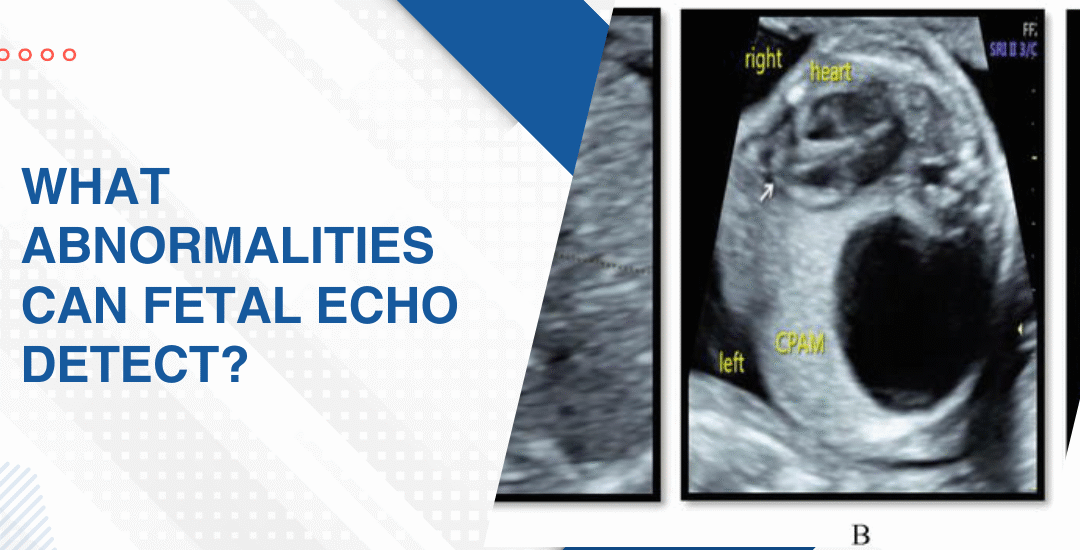
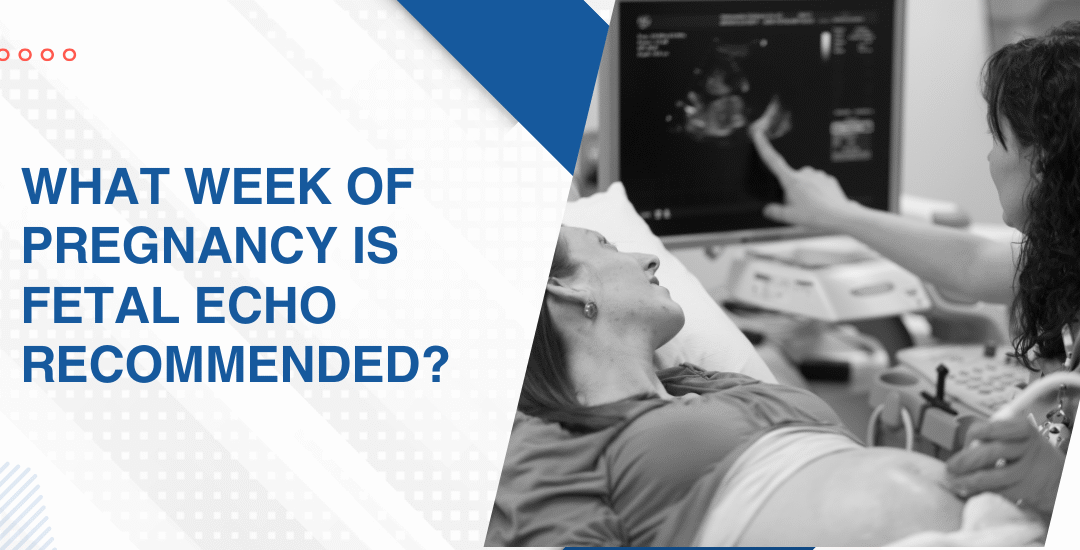
Fetal echo is the most detailed cardiac scan available before birth and detects the majority of significant structural heart defects when performed between 18 and 24 weeks by an experienced specialist. But it doesn’t catch everything. Some defects are simply too small to see in utero, others only develop or become visible after birth when the circulation changes.

“Fetal echo done well gives families a remarkable head start. But it’s an honest tool not a perfect one and parents deserve to understand both what it finds reliably and what it can sometimes miss,” says Dr. Prashant Bobhate, Pediatric Cardiologist in Mumbai, India.

What Heart Defects Can Fetal Echo Detect Reliably?

The conditions fetal echo picks up most consistently are the ones that change the heart’s structure in ways visible on ultrasound at 18 to 24 weeks.

  • Large VSDs: A significant hole between the lower chambers changes the appearance of the ventricular septum in a way that’s visible on a careful fetal echo sweep at the right gestational age.
  • TOF: The overriding aorta and outflow tract abnormality that defines Tetralogy of Fallot can be picked up on fetal echo when the operator specifically examines the outflow tract views rather than relying on the four chamber view alone.
  • Hypoplastic left heart: This severe underdevelopment of the left side of the heart creates such a striking asymmetry between the two ventricles that it’s one of the most reliably detected defects in prenatal screening.
  • Major valve defects: Severe pulmonary or aortic valve stenosis, Ebstein’s anomaly and other significant valve abnormalities that alter chamber size or blood flow patterns show up clearly on a detailed fetal cardiac assessment.

Getting that assessment done properly by someone who knows exactly what all the outflow views look like is exactly what fetal echocardiography in the right hands is built to deliver before birth changes everything about the options available.

What Can Fetal Echo Sometimes Miss?

This is the part most parents don’t get told clearly enough. Not because doctors are hiding anything but because the honest answer is more complicated than a simple yes or no. Some defects are genuinely invisible before birth. Others look normal at 20 weeks and only declare themselves after delivery when the newborn circulation shifts.

  • Small VSDs: Tiny muscular holes in the ventricular septum are often below the resolution of prenatal ultrasound and are picked up for the first time on a postnatal echo done because a murmur was heard after birth.
  • Small ASDs: Most ASDs are functionally normal in fetal life because the foramen ovale is supposed to be open in utero which makes distinguishing a normal structure from a pathological one genuinely difficult before birth.
  • Coarctation: Narrowing of the aorta can be suggested on fetal echo but is notoriously difficult to confirm definitively before birth because fetal circulation patterns make the aortic arch look different than it will postnatally.
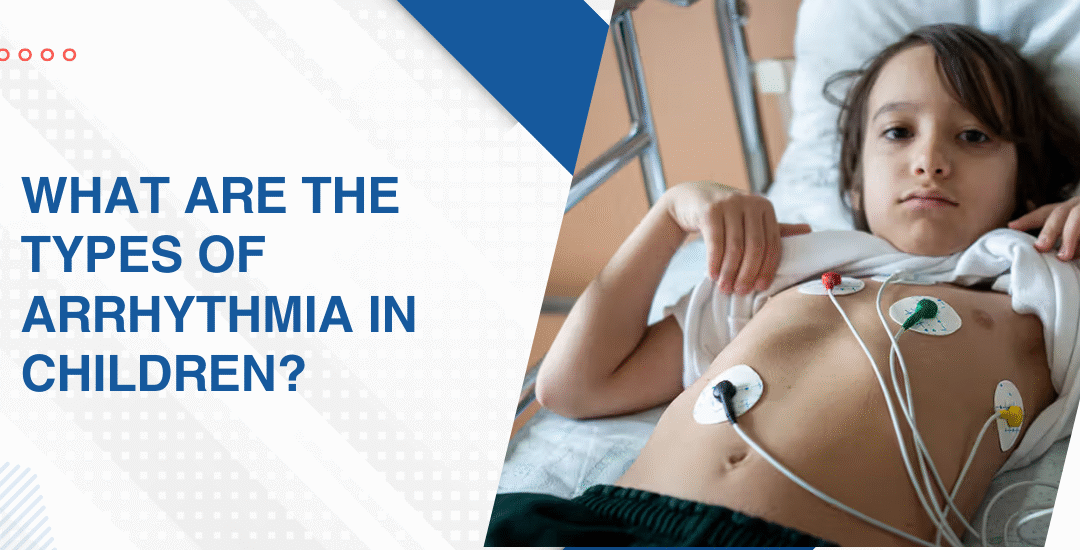
  • Arrhythmias: Electrical rhythm problems in the fetal heart aren’t structural findings and need specific fetal cardiac rhythm assessment which is a separate layer of evaluation beyond the standard anatomy scan.

Parents who want to understand why early fetal cardiac diagnosis changes outcomes so significantly should read this detailed piece on the importance of fetal diagnosis of critical congenital heart disease which explains exactly what early detection makes possible that a postnatal surprise doesn’t.

Why Choose Dr. Prashant Bobhate for Fetal Echo in Mumbai?

A fetal echo is only as good as the person reading it. The scan takes the right equipment and the right gestational timing but what actually determines what gets found and what gets missed is the experience sitting behind the probe. Dr. Prashant Bobhate spent over 12 years working across the full arc of congenital heart disease from fetal diagnosis through neonatal presentation through surgical planning and long term follow up. That means when he reads a fetal echo he already knows what the postnatal heart looks like and exactly what a subtle prenatal finding means for the delivery plan, the nursery team and the family sitting in front of him.

Schedule a consultation to find out if a cure is possible and what the right treatment plan looks like for you.

FAQs

When is the best time to get a fetal echo done?

Between 18 and 24 weeks of pregnancy when the fetal heart is large enough to assess in detail and still early enough for meaningful intervention planning if something is found.

Is fetal echo safe for the baby?

Yes. Fetal echo uses standard ultrasound waves with no radiation and is considered completely safe for both the baby and the mother at any point in pregnancy.

Who needs a fetal echo during pregnancy?

Any pregnancy with a family history of congenital heart disease, abnormal routine scan findings, maternal diabetes, certain medications or a previous child with a cardiac defect warrants a detailed fetal cardiac assessment.

Can a normal fetal echo guarantee a healthy heart at birth?

No. A normal fetal echo significantly reduces the likelihood of a major structural defect but doesn’t eliminate it because some defects develop or declare themselves only after the postnatal circulation establishes itself.

References:

What Is PDA in Newborns?

What Is PDA in Newborns?

PDA stands for Patent Ductus Arteriosus, a blood vessel that connects the aorta and pulmonary artery during fetal life and is supposed to close within hours to days after birth. When it stays open it sends extra blood into the lungs and makes the heart work harder than it should right from day one. Small ones often go unnoticed. Larger ones don’t stay quiet for long.

“The ductus is meant to close the moment a baby takes its first breath and the lungs take over. When it doesn’t, some babies absorb that extra workload for weeks before anyone connects the dots,” says Dr. Prashant Bobhate, Pediatric Cardiologist in Mumbai, India.

What Are the Signs of PDA in a Newborn?

A small PDA often causes nothing. The baby feeds, gains weight and seems completely fine while the ductus quietly does its extra work in the background. A larger one is a different story.

  • Fast breathing: A resting respiratory rate consistently sitting too high even during sleep means the lungs are handling more blood flow than they’re built for and the body is already compensating.
  • Poor feeding: A baby who tires mid-feed, sweats while eating or takes forever to finish a small amount is burning calories the heart and lungs simply can’t keep replacing under the extra load.
  • Bounding pulse: A strong jumping pulse felt at the wrist or groin is a classic physical sign of significant PDA because excess circulation creates a distinctive pounding quality you can feel without any equipment.
  • Heart murmur: A continuous machinery-like murmur across the upper left chest is the signature sound of PDA and often the first thing that sends a newborn for a cardiac evaluation before anyone suspected anything cardiac at all.

Getting an accurate echo to confirm what the ductus is doing to the heart and lungs is exactly what a patent ductus arteriosus assessment establishes before any treatment decision gets made.

How Is PDA Treated in Newborns?

Treatment depends on size, gestational age and what the heart is actually doing in response. Not every PDA needs intervention right away. But a significant one that’s causing symptoms can’t just be observed without a real plan sitting behind that observation.

  • Medication: In premature babies certain medications can nudge the ductus toward closing without any procedure by blocking the chemical signals that keep it open in those first newborn days.
  • Device closure: In older infants a small catheter-based device is placed through a vein to plug the ductus permanently with no surgical incision and a very short recovery time afterwards.
  • Surgical ligation: In very premature or very small babies where catheter closure isn’t yet possible a surgical procedure to tie off the ductus is still done though it’s needed far less often now than it once was.
  • Watchful waiting: A small haemodynamically insignificant PDA in a healthy term baby can be monitored with serial echos but this needs an actual follow up structure not simply hoping it goes away on its own.

Parents wanting to understand what early cardiac signs look like in the first weeks of life should read this piece on how to spot the early signs of heart disease in neonates which walks through exactly what to watch for at home before a formal diagnosis has even been made.

Why Choose Dr. Prashant Bobhate for PDA Care in Mumbai?

A newborn with a PDA needs someone who reads the echo accurately, weighs the haemodynamic picture honestly and makes a clear call on whether this ductus needs treatment now, later or structured monitoring with real decision points built in. Dr. Prashant Bobhate spent over 12 years managing cardiac findings across every gestational age from premature neonates through term newborns through older children presenting late with undiagnosed PDAs. Trained at Escorts Heart Institute in New Delhi then went deliberately to the University of Alberta in Canada for advanced paediatric cardiac fellowship training.

Schedule a consultation to find out if a cure is possible and what the right treatment plan looks like for you.

FAQs

Is PDA serious in newborns? A small

PDA in a healthy term baby often closes on its own but a large PDA causing symptoms in a premature baby needs prompt assessment and a clear treatment plan without delay.

Can PDA close on its own?

Yes. Many small PDAs in term newborns close within the first few weeks of life though premature babies and larger ducts are far less likely to close without some form of intervention.

Is PDA the same as a hole in the heart?

No. PDA is an open blood vessel between two major arteries outside the heart while ASD and VSD are holes within the walls of the heart itself though all three create abnormal blood flow.

What happens if PDA goes untreated?

A large untreated PDA overloads the lungs with excess blood flow which over time raises pulmonary artery pressure and can cause irreversible pulmonary vascular disease if the window for safe closure is missed.

References:

Call Now Button